Many of us, when thinking about the pinnacle of luxury timekeeping and cutting-edge technology, might naturally wonder about a Rolex digital watch. It’s a tantalizing thought: the unmistakable prestige of Rolex combined with the advanced features and precision of modern digital timekeeping. However, for those searching for a Rolex digital watch, there’s a straightforward answer: they simply don’t exist. Rolex has steadfastly maintained its commitment to traditional, mechanical watchmaking, a philosophy that deeply influences its identity and market position.
|
Our Picks for the Best Digital Watch in 2026
As an Amazon Associate I earn from qualifying purchases.
|
||
| Num | Product | Action |
|---|---|---|
| 1 | Casio F108WH Series - Men\'s Digital Watch - Illuminator - Water Resistant - LED Light - Daily Alarm - 1/100 SEC Stopwatch - 3 Hands (HR, Min, SEC) - Date/Day Display - Daily Alarm - 7 Year Battery |

|
| 2 | Casio F91W Series - Digital Watch - Water Resistant - LED Light - 1/100 SEC Stopwatch - Regular Time Keeping (HR, Min, SEC, PM, Date, Day) - Daily Alarm - Lightweight - 7 Year Battery |
|
| 3 | Beeasy Kids Watch, Kid Digital Watch for Ages 3-15 Boys Girls, 50M Waterproof Sport Outdoor Multifunctional Kid Watch with Silicone Band LED Backlight Alarm Stopwatch 12/24 H, Ideal Kids Gift |
|
| 4 | Smart Watches for Men Android & iPhone, 1.8\" Alexa Built-in Smartwatches Fitness Tracker Watch with Bluetooth Calls, IP68 Waterproof, Heart Rate/Sleep/SpO2 Monitor, 110 Sport Modes - Black |
|
| 5 | HANPOSH Mens Digital Watch Ultra Thin Minimalist Sports Waterproof Outdoor LED Screen Large Face Wrist Watches for Men with Back Light Alarm Date Stopwatch |
|
| 6 | Casio A158WA Series - Unisex Digital Watch - Vintage - WR - 100 SEC Stop Watch - Daily Alarm - Regular Time Keeping: Hour, Minute, Second, PM, Date, Day - Led Light - 7 Yr Battery |
|
| 7 | WNH Smart Watch for Women Android & iPhone, 1.8\" Touch Screen Fitness Tracker with Alexa, Call & Notification Alerts, Heart Rate/Sleep/SpO2 Monitor, IP68 Waterproof, 120+ Sport Modes (Pink) |
|
| 8 | Armitron Sport Women\'s Digital Chronograph Resin Strap Watch, 45/7012 |
|
| 9 | Casio Illuminator AE1500WH Series - 10-Year Battery - LED Backlight - 5-Alarms - 1/100 Sec Stopwatch - Men\'s Digital Watch |
|
| 10 | SOCICO Mens Digital Watch Sports Waterproof Outdoor Large Face Military Watches with Stopwatch Back Light Alarm Date Display |
|
Rolex’s Unwavering Dedication to Mechanical Horology
To understand why there isn’t a Rolex digital watch, one must delve into the very DNA of the brand. Since its inception in 1905, Rolex has meticulously crafted a reputation built on mechanical precision, unparalleled craftsmanship, and timeless elegance. Their watches are more than just time-telling devices; they are intricate marvels of micro-engineering, often taking hundreds of hours to assemble by skilled artisans. This dedication to the art of traditional horology is a core pillar of the brand’s identity.
Every Rolex timepiece houses a movement that is a symphony of gears, springs, and levers, powered by the wearer’s motion or manual winding. This focus on intricate mechanical movements, designed to last for generations, is what sets Rolex apart in the luxury segment. The brand’s emphasis on in-house manufacturing, from crafting its own gold to producing every tiny component, reinforces its control over quality and its commitment to these age-old techniques. Introducing a Rolex digital watch would fundamentally shift this deeply entrenched philosophy, challenging the very essence of what makes a Rolex, well, a Rolex.
A Glimpse into the Past: Rolex and Quartz Technology
While Rolex has never produced a true digital watch with an LCD or LED display, they did briefly venture into quartz technology during the “quartz crisis” of the 1970s and 80s. Models like the Oysterquartz, introduced in 1977, represented Rolex’s response to the rising popularity of accurate, battery-powered timepieces. These watches, though powered by a quartz crystal rather than a mechanical movement, still featured a traditional analog display with hands. Production of these quartz models ceased around 2001, making them rare collector’s items today. This brief foray into quartz, while a significant deviation, still kept Rolex within the realm of analog time display, never fully embracing the digital interface that defines a modern digital watch.
The Rise of Digital Watches: A New Era of Timekeeping
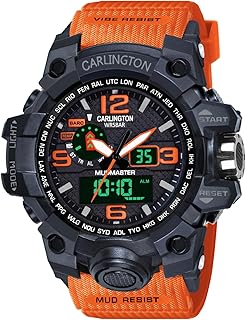
In stark contrast to Rolex’s traditional path, the world of digital watches has exploded with innovation. From the early LED and LCD watches of the 1970s to today’s sophisticated smartwatches, digital timepieces have continuously pushed the boundaries of functionality and connectivity. Modern digital watches offer an array of features that go far beyond telling time, including fitness tracking, heart rate monitoring, GPS, mobile payment capabilities, and seamless integration with smartphones.
These watches appeal to a different segment of the market—those who prioritize technological advancements, immediate data access, and a customizable, interactive experience on their wrist. The convenience and versatility of a modern digital watch make it an indispensable tool for many, especially in an increasingly connected world.
Luxury Meets Digital: Brands Defining High-End Smartwatches
The absence of a Rolex digital watch doesn’t mean luxury and digital technology are mutually exclusive. Several prestigious brands have successfully navigated this intersection, offering high-end digital and smartwatches that cater to affluent consumers seeking modern functionality with a touch of haute horlogerie. Brands like Breitling, for instance, have a history of incorporating digital displays into their highly precise, multi-functional pilot’s watches, such as the Aerospace Evo. These timepieces blend advanced quartz movements with digital readouts, offering features like chronographs, countdown timers, and second time zones in a robust, elegant package.
Beyond hybrid digital-analog models, the smartwatch segment has also seen luxury entries. Brands like TAG Heuer, Montblanc, and Louis Vuitton have developed their own smartwatches, often featuring premium materials, sophisticated designs, and customizable digital watch faces that echo their traditional watch collections. These luxury smartwatches represent a new frontier, aiming to provide the best of both worlds: the prestige of a high-end brand and the cutting-edge capabilities of a digital watch.
What Drives the Quest for a “Rolex Digital Watch”?
So, why do people still search for a “Roleex digital watch” if it doesn’t exist? It’s likely a confluence of factors. There’s an undeniable allure in the Rolex name, synonymous with aspiration, investment, and enduring quality. Simultaneously, the undeniable utility and technological prowess of a modern digital watch are highly attractive. The desire for a Rolex digital watch often reflects a wish to merge these two powerful concepts: the ultimate symbol of luxury and heritage with the ultimate in contemporary convenience and connectivity. It speaks to a craving for a product that transcends current market offerings, a device that could bridge the gap between two distinct worlds of horology.
Navigating Your Choice: Traditional Luxury vs. Digital Innovation
Deciding between a traditional luxury watch and a digital watch is a personal journey, often dictated by lifestyle, values, and how you perceive time itself.
- For the Purist and Collector: If you appreciate the artistry of mechanical movements, the legacy of craftsmanship, and the potential for a timepiece to become an heirloom or investment, a traditional luxury watch like a Rolex might be your ideal choice. These watches are about tradition, precision engineering without batteries, and a tangible connection to history.
- For the Tech Enthusiast and Active Individual: If you seek multi-functionality, real-time data, seamless connectivity, and a device that enhances your daily life with smart features, a high-end digital watch or smartwatch is likely more suitable. These watches are about innovation, convenience, and integrating technology into your everyday wear.
Many enthusiasts find joy in owning both: a classic mechanical piece for special occasions and a sophisticated digital watch for daily wear, fitness, and connectivity.
The Future of Time: Will Rolex Ever Go Digital?
The question of whether Rolex will ever produce a digital watch or a smartwatch is a topic of ongoing debate among watch aficionados. Given Rolex’s deeply ingrained conservative nature and unwavering commitment to traditional watchmaking, it appears highly unlikely in the near future. Their business model is built on planned scarcity and enduring value, which contrasts sharply with the rapid obsolescence cycles of most consumer electronics, including digital watches.
However, market dynamics and technological advancements are constantly evolving. While Rolex has consistently prioritized timeless appeal over fleeting trends, it’s not entirely impossible that they might one day find a way to integrate smart technology in a manner that aligns with their exacting standards and brand principles. If they ever did, it would undoubtedly be a revolutionary product, but one that respects their heritage rather than abandoning it. Until then, the focus remains firmly on the mechanical marvels that have defined the brand for over a century.
Caring for Your Cherished Timepiece
Whether you own a sophisticated mechanical watch or a feature-rich digital watch, proper care is essential to ensure its longevity and performance.
- Mechanical Watches: Regular servicing by certified watchmakers is crucial for intricate mechanical movements. Protect them from extreme shocks, magnetic fields, and ensure water resistance seals are maintained.
- Digital Watches: Keep the screen clean, protect it from scratches, and manage battery life through efficient usage. Regular software updates are often necessary for optimal performance and security. Always check water resistance ratings before exposing your digital watch to water.
Ultimately, both types of watches require attention and respect to continue telling time accurately and beautifully.
Expert Insight: Bridging the Divide
“In the world of horology, the mechanical watch and the digital watch represent two distinct philosophies,” says Dr. Eleanor Vance, a renowned horology historian. “Rolex champions a legacy of enduring craftsmanship, a physical artistry that defies time. Digital watches, conversely, are about embracing the present and future, constantly evolving to meet contemporary demands for information and connectivity. There’s a profound beauty in appreciating both, understanding that each serves a unique purpose and holds a different value in our lives.”
Frequently Asked Questions About Digital and Luxury Watches
Q: Does Rolex make a digital watch?
A: No, Rolex does not produce digital watches. The brand is exclusively dedicated to manufacturing traditional, mechanical timepieces with analog displays, focusing on craftsmanship and enduring value.
Q: Why doesn’t Rolex embrace modern digital technology?
A: Rolex’s identity is deeply rooted in traditional mechanical watchmaking. They prioritize intricate, in-house mechanical movements, precision, and timeless design over the rapidly evolving and often short-lived nature of digital electronics.
Q: Did Rolex ever make quartz watches?
A: Yes, Rolex did produce a limited number of quartz watches, most notably the Oysterquartz, during the 1970s and 80s. However, these still featured an analog display (hands) and were not true digital watches.
Q: What are some luxury alternatives to a Rolex digital watch?
A: While no direct Rolex digital watch exists, luxury brands like Breitling offer high-end hybrid digital-analog pilot’s watches, and other luxury brands such as TAG Heuer, Montblanc, and Louis Vuitton produce premium smartwatches.
Q: Are digital watches as accurate as mechanical watches?
A: Generally, quartz-based digital watches are more accurate than mechanical watches due to the consistent oscillations of a quartz crystal. Mechanical watches, while highly precise, are typically rated within a few seconds per day, whereas quartz can be accurate to within seconds per month or year.
Q: Is a luxury digital watch a good investment?
A: Traditional mechanical luxury watches, especially from brands like Rolex, often hold or increase in value due to their craftsmanship, brand heritage, and scarcity. Luxury digital watches, like most electronics, tend to depreciate due to rapid technological advancements and obsolescence, making them less of an investment and more of a purchase for functionality and style.
Q: How does Rolex maintain its market position without a digital watch offering?
A: Rolex maintains its leading position by emphasizing exclusivity, heritage, unparalleled craftsmanship, and the enduring value of mechanical watches. Their strategy focuses on a different definition of luxury that prioritizes timelessness over technological trends.
Conclusion
The quest for a Rolex digital watch highlights a fascinating intersection between tradition and innovation in the world of timekeeping. While Rolex remains a bastion of mechanical excellence, steadfastly committed to its heritage, the broader landscape of horology offers a diverse array of choices for every preference. From the intricate gears of a classic Rolex to the advanced capabilities of a modern digital watch, each timepiece tells a unique story and serves a distinct purpose. Whether you’re drawn to the timeless elegance of a mechanical masterpiece or the cutting-edge functionality of a digital companion, the most important thing is finding a watch that resonates with your personal style and enhances your journey through time. The future of horology will likely continue to see these two worlds evolve, distinct yet equally captivating.