Remember a time when checking the time didn’t involve a screen full of notifications? When a watch simply told you the hour, minute, and second, perhaps with a handy alarm or stopwatch thrown in? That, my friends, is the timeless magic of the basic digital watch. Far from being a relic of the past, this unassuming timepiece continues to captivate hearts with its blend of straightforward functionality, rugged durability, and undeniable retro charm. In an increasingly complex world, the basic digital watch offers a refreshing return to simplicity, proving that sometimes, less truly is more.
|
Our Picks for the Best Digital Watch in 2026
As an Amazon Associate I earn from qualifying purchases.
|
||
| Num | Product | Action |
|---|---|---|
| 1 | Casio F108WH Series - Men\'s Digital Watch - Illuminator - Water Resistant - LED Light - Daily Alarm - 1/100 SEC Stopwatch - 3 Hands (HR, Min, SEC) - Date/Day Display - Daily Alarm - 7 Year Battery |

|
| 2 | HANPOSH Mens Digital Watch Ultra Thin Minimalist Sports Waterproof Outdoor LED Screen Large Face Wrist Watches for Men with Back Light Alarm Date Stopwatch |
|
| 3 | Armitron Sport Women\'s Digital Chronograph Resin Strap Watch, 45/7012 |
|
| 4 | WNH Smart Watch for Women Android & iPhone, 1.8\" Touch Screen Fitness Tracker with Alexa, Call & Notification Alerts, Heart Rate/Sleep/SpO2 Monitor, IP68 Waterproof, 120+ Sport Modes (Pink) |
|
| 5 | Beeasy Kids Watch, Kid Digital Watch for Ages 3-15 Boys Girls, 50M Waterproof Sport Outdoor Multifunctional Kid Watch with Silicone Band LED Backlight Alarm Stopwatch 12/24 H, Ideal Kids Gift |
|
| 6 | Casio Illuminator AE1500WH Series - 10-Year Battery - LED Backlight - 5-Alarms - 1/100 Sec Stopwatch - Men\'s Digital Watch |
|
| 7 | Casio A158WA Series - Unisex Digital Watch - Vintage - WR - 100 SEC Stop Watch - Daily Alarm - Regular Time Keeping: Hour, Minute, Second, PM, Date, Day - Led Light - 7 Yr Battery |
|
| 8 | Smart Watches for Men Android & iPhone, 1.8\" Alexa Built-in Smartwatches Fitness Tracker Watch with Bluetooth Calls, IP68 Waterproof, Heart Rate/Sleep/SpO2 Monitor, 110 Sport Modes - Black |
|
| 9 | SOCICO Mens Digital Watch Sports Waterproof Outdoor Large Face Military Watches with Stopwatch Back Light Alarm Date Display |
|
| 10 | Casio F91W Series - Digital Watch - Water Resistant - LED Light - 1/100 SEC Stopwatch - Regular Time Keeping (HR, Min, SEC, PM, Date, Day) - Daily Alarm - Lightweight - 7 Year Battery |
|
The Enduring Appeal of Basic Digital Watches
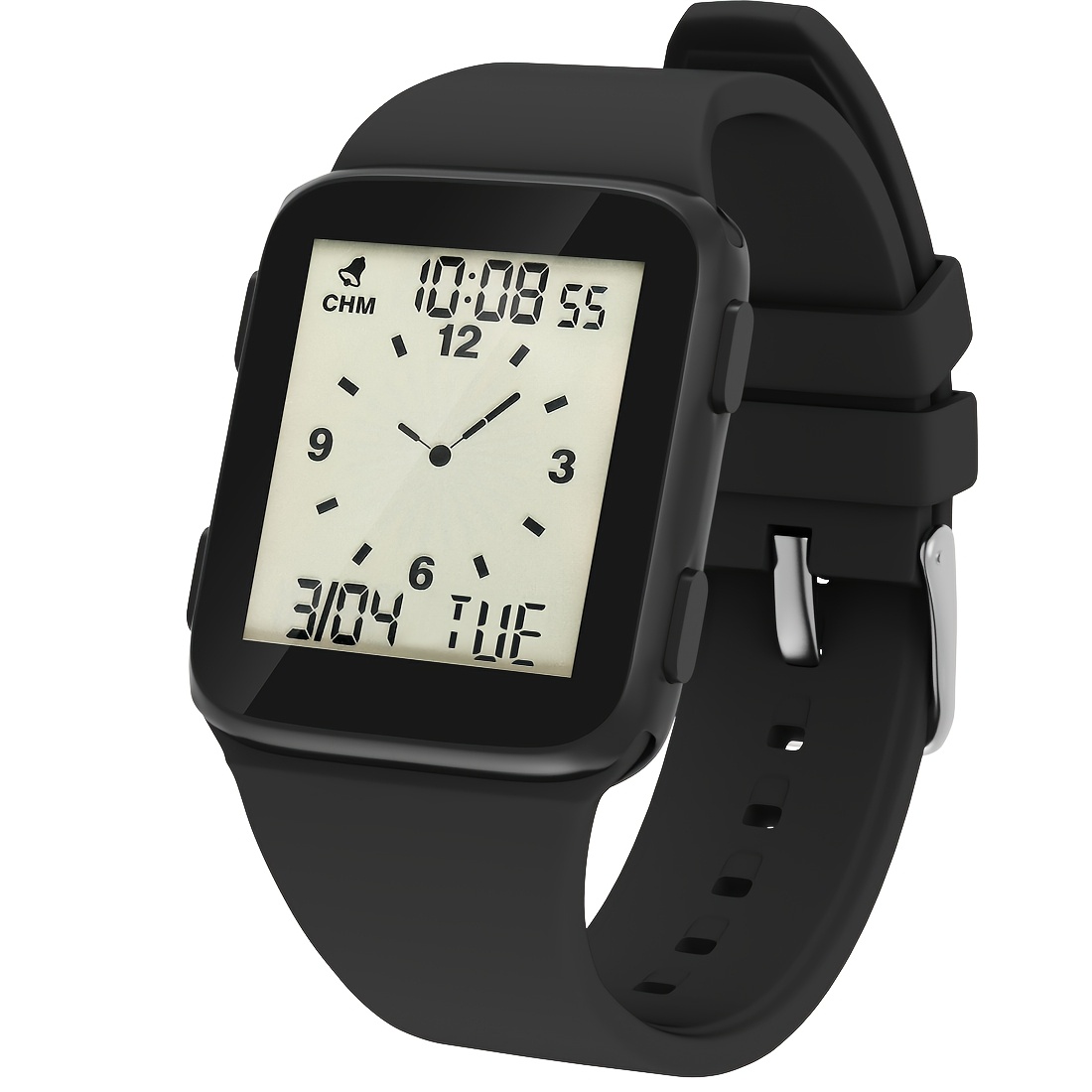
In an era dominated by smartwatches that promise to do everything from track your heartbeat to make calls, why does the basic digital watch still hold such a strong appeal? It’s simple: reliability, ease of use, and a distinct aesthetic. These watches aren’t trying to replace your smartphone; they’re designed to be a dependable companion on your wrist, focusing on core timekeeping functions without the distractions. Whether you’re an athlete needing a precise stopwatch, a student looking for an affordable and robust daily wear, or simply someone who appreciates a classic design, a basic digital watch fits the bill perfectly.
A Journey Through Time: The History of Digital Watches
The story of the digital watch is a fascinating one, marking a significant shift in timekeeping. It all began in the early 1970s, a futuristic vision brought to life by the Hamilton Watch Company. In 1972, they unveiled the Pulsar P1, the world’s first commercial electronic digital watch. This pioneering timepiece, with its glowing LED display, was initially a luxury item, costing a staggering $2,100—equivalent to over $13,000 today. It even made a star appearance on James Bond’s wrist, cementing its status as a symbol of cutting-edge technology.
However, LED displays quickly drained batteries, requiring users to press a button just to see the time. This minor inconvenience paved the way for the next big innovation. In 1973, Seiko introduced the 06LC, one of the first watches to utilize a Liquid Crystal Display (LCD) screen, allowing for a continuous display of time without excessive battery drain. This breakthrough, combined with advances in quartz technology that ensured remarkable accuracy, dramatically brought down manufacturing costs.
By the late 1970s and 1980s, brands like Casio and Timex democratized the digital watch, transforming it from an exclusive gadget into a mass-market accessory. These companies offered affordable, reliable models packed with practical features such as alarms, stopwatches, and backlights. The 1980s saw the rise of iconic models like the Casio F-91W and even calculator watches, which became cultural phenomena, celebrated for their utility and distinct style. From rugged outdoor companions to everyday time-tellers, the basic digital watch became an indispensable part of daily life for millions.
What Makes a Basic Digital Watch Tick? Core Features and Technology
At the heart of every reliable basic digital watch lies a sophisticated yet simple mechanism, primarily built around quartz crystal technology. This tiny, vibrating crystal, powered by a small battery, oscillates at a precise frequency, ensuring exceptional timekeeping accuracy—often to within seconds per month. This makes digital watches significantly more accurate than most mechanical watches.
The core components that bring a basic digital watch to life include:
- Quartz Crystal: The timekeeping oscillator, ensuring precision.
- Integrated Circuit (IC): The “brain” that processes the crystal’s oscillations and translates them into time measurements.
- Digital Display: Typically an LCD (Liquid Crystal Display) for continuous, low-power readout, or occasionally LED (Light Emitting Diode) for bright, on-demand illumination. Newer models might even use OLED for vibrant clarity.
- Battery: Provides power, with many basic models boasting impressive battery lives of several years, sometimes even a decade.
Beyond just telling the time, these watches offer a suite of essential functions that are surprisingly useful in day-to-day scenarios:
- Time and Date Display: The fundamental offering, presenting hours, minutes, and seconds numerically, often with the full date and day of the week.
- Alarm: A simple yet invaluable feature for reminders, wake-up calls, or keeping track of schedules. Many models offer multiple alarm settings.
- Stopwatch (Chronograph): Perfect for timing workouts, cooking, or any activity requiring precise measurement of elapsed time.
- Countdown Timer: Ideal for specific tasks, from baking to short breaks.
- Illumination/Backlight: Crucial for reading the time in low-light conditions, ensuring readability day or night.
- Water Resistance: Many basic digital watches offer varying degrees of water resistance, from splash-proof to suitable for swimming or even diving, making them versatile for various environments.
Beyond the Basics: Practical Benefits in Everyday Life
While “basic” might imply limited functionality, a basic digital watch offers a wealth of practical advantages that make it an excellent choice for a wide range of users:
- Exceptional Readability: The clear, numerical display makes reading the time instantaneous, eliminating any ambiguity. This is particularly beneficial for quick glances, in fast-paced situations, or for those with visual impairments.
- Unmatched Durability: Designed for robustness, many basic digital watches feature resilient resin cases, sturdy straps, and shock-resistant constructions. Brands like Casio’s G-Shock line have become synonymous with indestructibility, capable of withstanding harsh impacts and extreme conditions.
- Reliable Water Resistance: From everyday splashes to full immersion, numerous basic digital watches offer impressive water resistance, making them suitable for active lifestyles, swimming, and even professional diving in some cases. You don’t have to worry about taking it off for a quick dip or a sudden rain shower.
- Remarkable Affordability: Unlike their luxury analog or high-tech smartwatch counterparts, many excellent basic digital watches are incredibly budget-friendly. This accessibility makes them perfect as a first watch, a reliable backup, or a practical everyday timepiece that you won’t fret over.
- Minimal Maintenance: With long-lasting batteries and no intricate mechanical parts requiring regular servicing, basic digital watches are wonderfully low-maintenance. Beyond an occasional battery change every few years and a quick wipe-down, they essentially take care of themselves.
- Extended Battery Life: Forget daily charging. A typical basic digital watch battery can last for years, often between 2 to 10 years, providing consistent, hassle-free timekeeping without constant worrying about power levels.
Choosing Your Perfect Basic Digital Watch: A Buyer’s Guide
Selecting the right basic digital watch doesn’t have to be complicated. Consider these factors to find your ideal wrist companion:
- Purpose: Are you looking for a durable watch for outdoor adventures, a simple daily time-teller, or a retro fashion statement? Your primary use case will help narrow down features like water resistance or specific sensors.
- Budget: One of the greatest strengths of basic digital watches is their affordability. Excellent options are available across various price points, particularly under $50, making them accessible to almost everyone.
- Style and Comfort: While functionality is key, personal style matters. Do you prefer a classic square case, a sportier round design, or something with a more minimalist aesthetic? Consider the strap material (resin, metal, fabric) for comfort and how it complements your wardrobe.
- Brand Reputation: Stick with established brands known for quality and reliability in the digital watch segment. Casio and Timex are legendary for their durable and feature-rich basic digital watches, offering a wide array of choices. Models like the Casio F-91W, AE1200, and various Timex Expedition series are consistent favorites. The Casio G-Shock DW5600, while slightly above the “basic” price point for some, offers unparalleled durability for those needing extra toughness.
Basic Digital Watch vs. Smartwatch: Understanding the Differences
It’s common to wonder how a basic digital watch stacks up against a modern smartwatch. The answer lies in their fundamental design philosophies.
A basic digital watch prioritizes:
- Simplicity: Focused purely on timekeeping and essential utilities like alarms and stopwatches.
- Reliability: Built for durability, long battery life, and often superior water resistance without complex electronics.
- Cost-effectiveness: Significantly more affordable, making it an accessible option.
- Freedom from Connectivity: It works independently, without needing to pair with a smartphone, offering a break from constant digital tethering.
A smartwatch, conversely, excels in:
- Advanced Features: Offering extensive health tracking (heart rate, SpO2, ECG), GPS, NFC payments, app integration, and smartphone notifications.
- Connectivity: Seamlessly integrates with your phone, acting as an extension of your digital life.
- Customization: Often features customizable watch faces and interchangeable straps for diverse looks.
Choosing between them depends on your needs. If you crave simplicity, long battery life, ruggedness, and a device that purely tells time and offers basic tools without distractions, the basic digital watch is your champion. If you need a miniature computer on your wrist for extensive tracking, notifications, and connectivity, then a smartwatch is the way to go. Many people happily own both, appreciating the distinct advantages each offers.
Keeping Time with Style: Maintenance Tips for Your Digital Watch
Maintaining your basic digital watch is straightforward, ensuring it stays accurate and looks great for years to come.
- Battery Management: Most digital watches have impressive battery lives. However, if the display starts to dim or functions become sluggish, it’s a sign that a battery replacement is due. For most models, this is a simple, inexpensive task often done by a local jeweler or watch repair shop.
- Regular Cleaning: Over time, dirt and sweat can accumulate on the case and strap. A soft cloth, lightly dampened with water and mild soap, is usually all you need for a quick clean. For resin straps, an old toothbrush can help dislodge grime from textured areas. Always ensure the watch is completely dry afterward.
- Water Resistance Check: If your watch is frequently exposed to water, consider having its water resistance seals checked every few years by a professional. Gaskets can degrade, compromising the seal. Always ensure the crown and pushers are properly depressed before water exposure.
- Avoid Harsh Chemicals: Direct contact with strong chemicals, solvents, or excessive perfume can damage the watch’s materials, especially resin cases and straps.
- Storage: When not wearing your watch, store it in a cool, dry place, away from direct sunlight or extreme temperatures, which can impact battery life and display integrity.
The Future is Retro: Trends and Longevity
The basic digital watch isn’t going anywhere. In fact, it’s experiencing a resurgence, largely driven by a wave of nostalgia and an appreciation for straightforward, functional design. Brands are tapping into this “retro-futurism,” re-releasing classic models and introducing new designs that blend vintage aesthetics with modern reliability. This trend highlights a broader cultural movement towards owning less, choosing items that are durable, meaningful, and perform their core functions exceptionally well.
“The basic digital watch embodies a timeless practicality,” says Dr. Anya Sharma, a leading horology expert and technology analyst. “It’s a testament to the fact that groundbreaking innovation isn’t always about adding more features, but perfecting the essentials. Its enduring popularity showcases a human need for simplicity and reliability in an ever-connected world.”
The basic digital watch will continue to thrive alongside smartwatches, carved out its own niche as a reliable, affordable, and stylish choice. Its journey from a luxury curiosity to a global icon is a powerful reminder that sometimes, the simplest ideas are the most enduring.
Frequently Asked Questions (FAQ)
What is a basic digital watch?
A basic digital watch is an electronic timepiece that displays time numerically on an LCD or LED screen, rather than using hands and a dial. It typically offers core functions such as time, date, alarm, and a stopwatch, focusing on reliable and straightforward timekeeping.
Why choose a basic digital watch over a smartwatch?
People choose a basic digital watch for its exceptional durability, long battery life (often several years), affordability, and simplicity. It provides essential timekeeping functions without the distractions and frequent charging needs of a smartwatch.
Are basic digital watches still accurate?
Yes, basic digital watches are highly accurate. Most use quartz crystal technology, which maintains time with an error rate of often less than a second per day, making them very reliable timekeepers.
What are the most common features found in a basic digital watch?
The most common features include a time display (hours, minutes, seconds), date and day display, an alarm function, a stopwatch (chronograph), a countdown timer, and a backlight for low-light visibility. Many also offer good water resistance.
What are some popular brands for basic digital watches?
Casio and Timex are two of the most popular and respected brands for basic digital watches. Casio offers iconic models like the F-91W and the more robust G-Shock series, while Timex provides reliable and stylish options for everyday wear.
How long does the battery last in a basic digital watch?
The battery life of a basic digital watch can vary significantly by model and usage, but it typically ranges from 2 to 10 years. This is a major advantage over smartwatches, which often require daily or weekly charging.
Can basic digital watches be worn for formal occasions?
While many basic digital watches have a casual or sporty aesthetic, some minimalist designs with metal bracelets or sleeker profiles can be styled to complement business casual or even semi-formal attire, depending on personal preference and the specific event.
Conclusion
From its groundbreaking introduction as a luxury item to its current status as an affordable, reliable, and stylish accessory, the basic digital watch has carved an indelible mark in the world of timekeeping. Its unwavering focus on core functionality, combined with robust construction, impressive battery life, and clear readability, makes it an invaluable tool for everyday life. In a world that constantly pushes for more, the basic digital watch stands as a quiet reminder of the power of simplicity. So, go ahead, embrace the retro charm, experience the practical benefits, and discover why this humble timepiece continues to be a favorite among generations. Your wrist will thank you for the straightforward elegance.