In an increasingly connected world, there’s still a profound thrill in venturing off the beaten path, away from the constant pull of smartphones and GPS signals. For those who embrace adventure, whether it’s scaling mountain peaks, exploring dense forests, or simply seeking direction in a new city, a digital watch with compass isn’t just a gadget; it’s a trusty companion. These innovative timepieces blend cutting-edge technology with timeless utility, offering not only precision timekeeping but also a crucial sense of direction right on your wrist. They empower you to navigate with confidence, ensuring you always know which way is up, down, or, most importantly, North.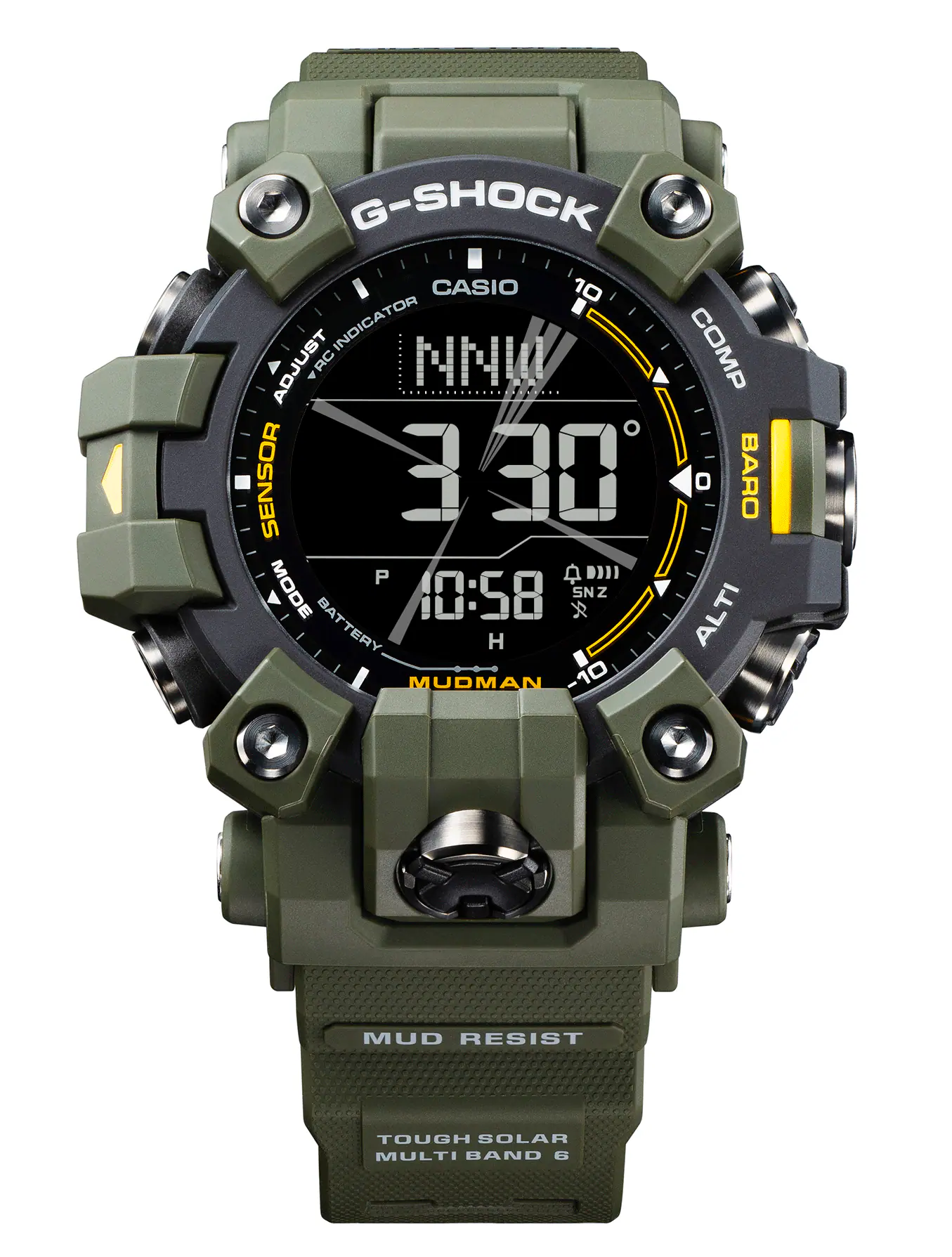
|
Our Picks for the Best Digital Watch in 2026
As an Amazon Associate I earn from qualifying purchases.
|
||
| Num | Product | Action |
|---|---|---|
| 1 | Beeasy Kids Watch, Kid Digital Watch for Ages 3-15 Boys Girls, 50M Waterproof Sport Outdoor Multifunctional Kid Watch with Silicone Band LED Backlight Alarm Stopwatch 12/24 H, Ideal Kids Gift |

|
| 2 | WNH Smart Watch for Women Android & iPhone, 1.8\" Touch Screen Fitness Tracker with Alexa, Call & Notification Alerts, Heart Rate/Sleep/SpO2 Monitor, IP68 Waterproof, 120+ Sport Modes (Pink) |
|
| 3 | Armitron Sport Women\'s Digital Chronograph Resin Strap Watch, 45/7012 |
|
| 4 | Smart Watches for Men Android & iPhone, 1.8\" Alexa Built-in Smartwatches Fitness Tracker Watch with Bluetooth Calls, IP68 Waterproof, Heart Rate/Sleep/SpO2 Monitor, 110 Sport Modes - Black |
|
| 5 | Casio F108WH Series - Men\'s Digital Watch - Illuminator - Water Resistant - LED Light - Daily Alarm - 1/100 SEC Stopwatch - 3 Hands (HR, Min, SEC) - Date/Day Display - Daily Alarm - 7 Year Battery |
|
| 6 | Casio F91W Series - Digital Watch - Water Resistant - LED Light - 1/100 SEC Stopwatch - Regular Time Keeping (HR, Min, SEC, PM, Date, Day) - Daily Alarm - Lightweight - 7 Year Battery |
|
| 7 | Casio Illuminator AE1500WH Series - 10-Year Battery - LED Backlight - 5-Alarms - 1/100 Sec Stopwatch - Men\'s Digital Watch |
|
| 8 | Casio A158WA Series - Unisex Digital Watch - Vintage - WR - 100 SEC Stop Watch - Daily Alarm - Regular Time Keeping: Hour, Minute, Second, PM, Date, Day - Led Light - 7 Yr Battery |
|
| 9 | HANPOSH Mens Digital Watch Ultra Thin Minimalist Sports Waterproof Outdoor LED Screen Large Face Wrist Watches for Men with Back Light Alarm Date Stopwatch |
|
| 10 | SOCICO Mens Digital Watch Sports Waterproof Outdoor Large Face Military Watches with Stopwatch Back Light Alarm Date Display |
|
The Journey Through Time: A Brief History of the Digital Watch with Compass
The evolution of the digital watch is a fascinating tale of technological ambition. From the earliest rudimentary LED and LCD displays of the 1970s, watches quickly moved beyond simply telling time. Manufacturers began integrating calculators, alarms, and even basic games into these wrist-worn computers. The compass, a tool fundamental to human exploration for centuries, was a natural next step. Casio, a pioneer in digital watch innovation, introduced the world’s first watch with a digital compass in 1993, the CPW-100 model. This marked a significant milestone, transforming a traditional navigation instrument into a compact, electronic feature that could be carried effortlessly on the wrist [cite: 1 in search 5]. This early innovation paved the way for the sophisticated multi-sensor outdoor watches we see today, constantly pushing the boundaries of what a timepiece can do [cite: 4 in search 5].
Beyond Time-Telling: Core Features and Technologies of a Digital Watch with Compass
What makes a digital watch with compass so indispensable for adventurers and tech enthusiasts alike? It’s the sophisticated array of features and the robust technology packed into a small, wearable device.
The Digital Compass: Your Personal Guide
At the heart of these watches is the digital compass itself. Unlike traditional magnetic compasses, which rely on a freely moving needle, digital compasses employ advanced sensors. These typically consist of multiple coils or magnetometers that detect the Earth’s magnetic field along three axes (X, Y, and Z). By measuring minute variations in magnetic tension and performing complex vector calculations, the watch’s microprocessor can accurately determine your current heading and display it digitally [cite: 1, 2 in search 4]. Many models display not only the cardinal directions (N, S, E, W) but also the exact degree reading, offering precise orientation.
Some advanced digital compass watches even offer “bearing memory,” allowing you to lock in a specific direction and then continuously display it on the watch face, guiding you towards your destination [cite: 4 in search 1; 2 in search 4]. This is particularly useful in challenging conditions like dense fog or thick foliage where visibility is poor. Furthermore, the ability to correct for magnetic declination – the difference between magnetic north and true north – ensures even greater accuracy when used with topographical maps [cite: 4 in search 1; 2, 5 in search 4].
What is magnetic declination correction and why is it important for a digital watch compass?
Magnetic declination correction allows you to adjust the compass reading to account for the difference between magnetic north (where the compass needle points) and true north (the geographical North Pole). This is crucial for accurate navigation, especially when relying on maps that are oriented to true north [cite: 4 in search 1; 2 in search 4]. Inputting local declination data ensures your watch guides you to the correct geographical direction.
The ABC Powerhouse: Altimeter, Barometer, Compass
Many digital watches designed for outdoor use go beyond just a compass, often featuring what’s known as “ABC” functionality: Altimeter, Barometer, and Compass.
- Altimeter: Measures altitude, providing crucial information for mountaineers and hikers about their ascent and descent.
- Barometer: Tracks atmospheric pressure, which can be used to predict changes in weather patterns, giving adventurers an early warning of approaching storms.
- Compass: As discussed, provides essential directional guidance.
These three functions, often combined with a thermometer, create a comprehensive toolset for wilderness navigation and environmental awareness [cite: 1, 2 in search 2].
Durability and Design: Built for the Wild
Given their intended use, digital watches with compasses are built to endure. They typically feature rugged designs, utilizing durable materials like resin, stainless steel, or even titanium for cases and straps. High levels of water resistance (often 100m or 200m) are standard, ensuring they can withstand heavy rain, splashes, and even swimming [cite: 1 in search 4]. Shock resistance, exemplified by ranges like Casio’s G-Shock, means these watches can handle drops, impacts, and vibrations without missing a beat, making them truly “mission-ready” [cite: 4 in search 4].
Power Solutions: Keeping You Going
One of the significant advantages of modern digital compass watches is their diverse power solutions. While many run on long-lasting batteries, solar-powered models have become increasingly popular. These watches harness light energy to recharge their internal batteries, offering extended operational times and reducing the worry of a dead battery when you’re far from a power outlet [cite: 2 in search 2; 3 in search 5]. This self-sufficient power source is a huge plus for multi-day expeditions.
Connectivity and Smart Features: A Modern Edge
While some purists prefer standalone ABC watches, many contemporary digital watches with compass capabilities also integrate smart features. These can include GPS for detailed route tracking, heart rate monitors for fitness, and even smartphone link functions that allow for automatic time synchronization, notification alerts, or easier adjustment of watch settings [cite: 1 in search 2; 5 in search 4]. This blend offers the best of both worlds: robust outdoor utility with modern conveniences.
Finding Your True North: Choosing the Right Digital Watch with Compass
Selecting the perfect digital watch with compass requires a thoughtful approach. It’s not just about telling time; it’s about finding a tool that fits your lifestyle and needs.
What factors should I consider when buying a digital watch with a compass?
When choosing a digital watch with a compass, consider your primary purpose (hiking, daily wear, tactical use), your budget, the essential features you need (ABC, GPS, solar power), and the durability and comfort offered by its materials and design [cite: 1 in search 2; 2 in search 2]. Evaluate battery life, display readability, and ease of use for the compass function.
Purpose-Driven Selection
First, think about how you’ll primarily use the watch. Are you an avid hiker or climber needing precise navigation and weather insights? Or do you mostly want a rugged, reliable timepiece with basic directional help for urban exploration or occasional camping trips? The intensity of your outdoor activities will dictate the level of features and durability required.
Budget Considerations
Digital watches with compasses span a wide price range. Basic models with core compass and timekeeping functions are quite affordable, while advanced ABC watches with solar power, GPS, and robust construction can be a significant investment. Establish your budget beforehand to narrow down your options effectively.
Essential Features vs. Nice-to-Haves
Prioritize the features that are truly essential for you. If wilderness navigation is key, ensure the compass is highly accurate, easily calibrated, and has magnetic declination correction. If you’re a serious outdoorsperson, ABC functions are almost non-negotiable. For everyday use, robust construction, good water resistance, and an easy-to-read display might be sufficient. Consider if you need additional smart features like GPS tracking or heart rate monitoring, which often come with a higher price tag.
Durability and Comfort
A watch designed for adventure needs to be tough. Look for solid construction, scratch-resistant crystals (mineral or sapphire), and sufficient water resistance. The strap material is also crucial for comfort, especially during extended wear. Resin, silicone, and nylon are popular for their durability and comfort during physical activity. Ensure the watch size and weight are comfortable on your wrist.
Leading the Way: Popular Brands and Models
Several brands have established themselves as leaders in the digital watch with compass segment, offering a range of options for every adventurer.
- Casio: A powerhouse in outdoor digital watches, Casio offers diverse lines like G-Shock (known for extreme ruggedness and shock resistance) and Pro Trek (specializing in ABC watches with advanced sensors). Models like the G-Shock Rangeman, Mudmaster, and Pro Trek PRW series are highly favored for their durability, solar power, and comprehensive outdoor features, including altimeters, barometers, and accurate digital compasses [cite: 1 in search 1; 2 in search 1; 1, 2 in search 2].
- Garmin: While often associated with advanced GPS smartwatches, Garmin also offers robust outdoor models like the Instinct and Fenix series. These watches typically integrate highly accurate digital compasses with full GPS mapping, heart rate monitoring, and extensive fitness tracking, making them versatile tools for serious adventurers [cite: 1, 3 in search 2].
- Suunto: A renowned brand for outdoor and dive watches, Suunto offers models like the Core and Vertical that are celebrated for their strong ABC functionality, clear displays, and minimalist yet tough designs [cite: 1, 2 in search 2].
The Compass Advantage: Pros and Cons
While incredibly useful, it’s good to be aware of both the strengths and potential limitations of a digital watch with compass.
Pros:
- Reliable Navigation: Offers directional guidance even without network coverage, crucial in remote areas [cite: 3 in search 5].
- Multi-functional: Combines timekeeping with vital outdoor sensors (ABC, thermometer) in one device.
- Durability: Built to withstand harsh environments, making them ideal for adventurers.
- Quick Reference: Provides instant directional information at a glance.
- Battery Independence: Many models, especially solar-powered ones, offer extended battery life, reducing reliance on frequent charging [cite: 3 in search 5].
Cons:
- Calibration Required: Digital compasses need to be calibrated regularly for accuracy, sometimes requiring the watch to be held flat and rotated [cite: 5 in search 2].
- Sensitivity to Interference: Can be affected by magnetic interference from electronic devices, large metal objects, or even nearby power lines, leading to inaccurate readings [cite: 3 in search 5].
- Tilt Dependence: For optimal accuracy, some digital compasses require the watch to be held relatively flat, which can be tricky on the move [cite: 5 in search 2].
- Quick Timeout (on some models): Some digital compasses have a short operational time before timing out to save battery, requiring re-activation for continuous use [cite: 5 in search 5].
Charting the Future: Trends and Innovations in Digital Compass Watches
The future of digital watches with compasses is bright, driven by relentless innovation. We can expect even greater integration of smart features, leading to more seamless connectivity with other devices and ecosystems. Improved sensor accuracy, faster processing, and even more efficient power solutions (including advancements in solar technology) will continue to enhance their reliability and usability. The focus will likely shift towards more intuitive user interfaces, potentially incorporating AI-driven insights for navigation and environmental awareness, making these watches not just tools, but intelligent companions for all forms of exploration.
Keeping Your Bearings: Tips for Effective Use and Maintenance
To get the most out of your digital watch with compass, a few tips can make a world of difference:
How do I calibrate my digital watch’s compass?
Most digital watch compasses require calibration for optimal accuracy. This typically involves taking the watch off your wrist, holding it flat, and slowly rotating it through a full circle or following specific prompts on the display [cite: 5 in search 2]. Consult your watch’s manual for precise instructions, as the process can vary between models.
Using Magnetic Declination Correction
If your watch offers magnetic declination correction, learn how to input the local declination angle. This will align your compass readings with true north, which is essential for accurate map navigation [cite: 4 in search 1; 2 in search 4]. Topographical maps usually provide this information for their specific areas.
Avoiding Interference
Be mindful of your surroundings when taking a compass reading. Large metal objects (like cars or bridges), power lines, and other electronic devices can create magnetic interference and distort your compass’s accuracy [cite: 3 in search 5]. Step away from such sources if you suspect an inaccurate reading.
Regular Cleaning and Care
While rugged, these watches still benefit from regular cleaning. Rinse off dirt, mud, or saltwater after outdoor adventures. Check seals and buttons periodically to ensure water resistance is maintained, especially if you frequently expose your watch to water. Always respect the water resistance ratings and avoid pressing buttons underwater unless explicitly stated by the manufacturer.
Frequently Asked Questions (FAQ)
How accurate are digital compasses in watches compared to traditional compasses?
Modern digital compasses in watches are generally very accurate, often using advanced magnetometers. However, they require proper calibration and can be more susceptible to magnetic interference and tilt compared to a well-used traditional magnetic compass.
Do I need to calibrate my digital watch compass frequently?
Yes, regular calibration is recommended, especially before important navigation tasks or if you notice inconsistent readings. It helps ensure the compass accounts for local magnetic variations and remains accurate [cite: 5 in search 2].
Can I use a digital watch compass underwater?
Most digital watches with compasses are water-resistant to a certain depth (e.g., 100m or 200m). While the watch itself may survive, magnetic fields underwater can sometimes affect compass readings. Always check your specific model’s manual for guidance on underwater compass use.
What’s the main difference between a digital watch compass and GPS navigation?
A digital watch compass provides your current bearing relative to magnetic (or true) north. GPS navigation, on the other hand, determines your exact geographical coordinates (latitude and longitude) and can track your movement on a map. While GPS is more comprehensive for pinpointing location, a compass is vital for quick orientation and direction when a GPS signal might be weak or unavailable.
Are solar-powered digital watches with compasses reliable?
Absolutely! Solar-powered digital watches are highly reliable and popular for outdoor use. They harness light to continuously charge their batteries, offering extended operational times and reducing the need for manual charging, which is a significant advantage in remote environments [cite: 3 in search 5].
Conclusion
A digital watch with compass is far more than a simple time-telling device; it’s a statement of independence and readiness. It embodies the spirit of exploration, offering the assurance that you can always find your way, no matter where your adventures take you. From the pioneering days of Casio’s first digital compass watch to today’s multi-sensor powerhouses, these timepieces continue to evolve, blending robust utility with cutting-edge design. They are essential tools for hikers, campers, and anyone who appreciates the blend of technology and tradition on their wrist. So, if you’re ready to embrace the call of the wild or simply navigate your daily journey with unwavering confidence, consider adding a reliable digital watch with compass to your gear. It’s a small device that makes a big difference in how you experience the world.