In a world constantly racing forward with cutting-edge technology, there’s a unique charm in looking back. The retro digital watch, a quintessential accessory from bygone eras, is not merely a nostalgic trinket; it’s a bold fashion statement and a testament to enduring design. These classic timepieces, with their distinct numerical displays and often straightforward functionality, offer a refreshing alternative to the complex smart devices that dominate our wrists today. They connect us to a simpler time while effortlessly enhancing modern style.
|
Our Picks for the Best Digital Watch in 2026
As an Amazon Associate I earn from qualifying purchases.
|
||
| Num | Product | Action |
|---|---|---|
| 1 | WNH Smart Watch for Women Android & iPhone, 1.8\" Touch Screen Fitness Tracker with Alexa, Call & Notification Alerts, Heart Rate/Sleep/SpO2 Monitor, IP68 Waterproof, 120+ Sport Modes (Pink) |

|
| 2 | Beeasy Kids Watch, Kid Digital Watch for Ages 3-15 Boys Girls, 50M Waterproof Sport Outdoor Multifunctional Kid Watch with Silicone Band LED Backlight Alarm Stopwatch 12/24 H, Ideal Kids Gift |
|
| 3 | Smart Watches for Men Android & iPhone, 1.8\" Alexa Built-in Smartwatches Fitness Tracker Watch with Bluetooth Calls, IP68 Waterproof, Heart Rate/Sleep/SpO2 Monitor, 110 Sport Modes - Black |
|
| 4 | HANPOSH Mens Digital Watch Ultra Thin Minimalist Sports Waterproof Outdoor LED Screen Large Face Wrist Watches for Men with Back Light Alarm Date Stopwatch |
|
| 5 | Casio F91W Series - Digital Watch - Water Resistant - LED Light - 1/100 SEC Stopwatch - Regular Time Keeping (HR, Min, SEC, PM, Date, Day) - Daily Alarm - Lightweight - 7 Year Battery |
|
| 6 | SOCICO Mens Digital Watch Sports Waterproof Outdoor Large Face Military Watches with Stopwatch Back Light Alarm Date Display |
|
| 7 | Armitron Sport Women\'s Digital Chronograph Resin Strap Watch, 45/7012 |
|
| 8 | Casio A158WA Series - Unisex Digital Watch - Vintage - WR - 100 SEC Stop Watch - Daily Alarm - Regular Time Keeping: Hour, Minute, Second, PM, Date, Day - Led Light - 7 Yr Battery |
|
| 9 | Casio Illuminator AE1500WH Series - 10-Year Battery - LED Backlight - 5-Alarms - 1/100 Sec Stopwatch - Men\'s Digital Watch |
|
| 10 | Casio F108WH Series - Men\'s Digital Watch - Illuminator - Water Resistant - LED Light - Daily Alarm - 1/100 SEC Stopwatch - 3 Hands (HR, Min, SEC) - Date/Day Display - Daily Alarm - 7 Year Battery |
|
A Glimpse into the Past: The Rise and Evolution of Digital Timekeeping
The story of the digital watch is a fascinating journey through technological innovation and cultural shifts. Before the sleek smartwatches of today, these electronic marvels were at the forefront of timekeeping. The revolution began in the early 1970s with the introduction of the Pulsar by the Hamilton Watch Company. This groundbreaking timepiece, unveiled in 1972, was the world’s first electronic digital watch, displaying time with a red LED display at the push of a button. Initially a luxury item, costing upwards of $2,100 (equivalent to over $13,000 today), it captured the public’s imagination, signaling a new era for watches.
The next major leap came in 1973 when Seiko launched the 06LC, pioneering the more power-efficient LCD (Liquid Crystal Display) technology, which allowed for a continuous time display without rapidly draining the battery. This innovation paved the way for mass production, and by the late 1970s and 1980s, companies like Casio and Timex made digital watches accessible and affordable for everyone. These brands quickly introduced multi-functional models, bringing features like calculators, data storage, and even primitive games directly to the wrist. The retro digital watch wasn’t just about telling time; it was about embracing the future, one pixelated digit at a time.
Why the Enduring Allure of the Retro Digital Watch?
So, why are these timepieces, some designed decades ago, experiencing such a powerful resurgence today? The appeal of the retro digital watch is multifaceted, tapping into deep-seated desires for connection, simplicity, and individual expression.
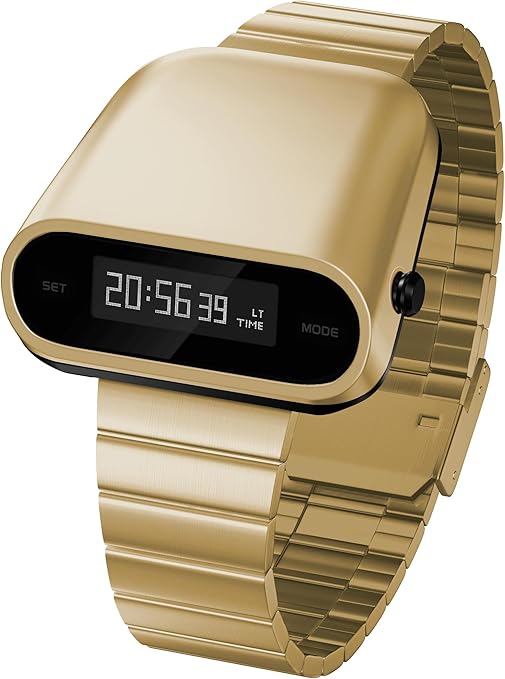
What fuels the popularity of retro digital watches?
The current popularity of retro digital watches stems largely from a potent mix of nostalgia, a desire for simplicity, and their undeniable fashion appeal. For many, they are a tangible link to childhood memories or a bygone era, evoking a sense of comfort and familiarity. This goes beyond just reminiscing; it’s a cultural movement responding to our hyper-connected lives. In an age where smart devices constantly demand attention, a simple, reliable digital watch offers a much-needed break from the digital deluge, allowing us to focus on the present moment.
Furthermore, these watches are incredibly versatile fashion statements. From sleek minimalist designs to bold, colorful styles, the distinctive aesthetic of a retro digital watch effortlessly complements a wide range of outfits, from casual streetwear to more formal attire. They represent a “geek chic” appeal, an effortless cool that stands out in a sea of identical smart devices. Many iconic models also offer exceptional affordability and impressive durability, making them a practical and reliable choice for everyday wear without breaking the bank.
Key Features That Define a Classic Retro Digital Watch
While modern smartwatches boast advanced sensors and connectivity, the charm of a retro digital watch lies in its focused, reliable features and unmistakable design.
- Clear Digital Display: Whether it’s the glowing red LED of early models or the crisp, easy-to-read LCD, the numerical display is the heart of a digital watch..
- Core Functionality: Most classic models include essential functions like a stopwatch for precise timing, a daily alarm for reminders, and an automatic calendar. Some even feature world time, making them useful for travelers.
- Backlight: A small, often green or amber backlight ensures readability in low-light conditions, a simple yet crucial feature.
- Durable Construction: Many retro digital watches, particularly those from brands like Casio, are known for their robust cases (often resin or stainless steel) and water-resistant designs, making them highly resilient for daily use.
- Distinctive Design: From polygonal cases to slim profiles and iconic button layouts, the aesthetic is instantly recognizable and contributes significantly to their enduring appeal.
Iconic Brands and Models Leading the Retro Revival
When we talk about retro digital watches, certain brands and models immediately come to mind, having achieved legendary status for their groundbreaking designs and enduring appeal.
Casio, without a doubt, is the undisputed king of the retro digital watch market. Its F-91W, introduced in 1989, remains a bestseller decades after its initial release, celebrated for its minimalist design, reliability, and incredible affordability. Similarly, the A158W and A168W offer a more polished, metallic look with the same vintage charm. The Casio CA53W calculator watch, famously seen in “Back to the Future,” has achieved cult status, while the Databank series offered early forms of personal data storage. Even Casio’s G-Shock line, with reissues like the DW-5000R, pays homage to its rugged origins.
Beyond Casio, other brands have also contributed significantly to the retro digital watch landscape. Timex offers models like the T80, directly inspired by their early digital watches from the 70s and 80s. Armitron is recognized for its affordable yet stylish retro digital options, such as the Griffy, often featuring full stainless steel cases. High-end reissues like the Hamilton PSR (a tribute to the original Pulsar) and the Bulova Computron, with its distinctive trapezoidal case, cater to those seeking a premium vintage experience. Even modern brands like Tissot have entered the fray with models like the PRX Digital, blending vintage aesthetics with contemporary features.
Navigating the World of Retro: Choosing Your Perfect Digital Watch
With so many fantastic options available, choosing the right retro digital watch can be a fun, personal journey. Consider these factors to find your ideal timepiece:
- Purpose and Style: Are you looking for a casual everyday watch, a statement piece for special occasions, or something specific like a calculator watch? Do you prefer the understated cool of a resin strap or the classic elegance of stainless steel?
- Functionality Needs: While most offer basic time, date, alarm, and stopwatch features, some might have more advanced functionalities like multiple time zones or advanced chronographs. Decide what’s essential for you.
- Material and Durability: Resin cases are lightweight and highly durable, while metallic options (stainless steel, gold-tone) offer a more refined feel. Check for water resistance ratings if you plan to wear it during water-related activities.
- Budget: Retro digital watches are available across a wide price spectrum, from incredibly affordable Casio F-91Ws to more premium reissues. Define what you’re comfortable spending.
- New Reissue vs. True Vintage: Modern reissues offer vintage looks with the reliability and warranty of a new watch. Authentic vintage pieces provide a unique history, though they might require more careful handling and maintenance.
Pros and Cons of Embracing a Retro Digital Watch
Like any fashion or tech choice, owning a retro digital watch comes with its own set of advantages and considerations.
Benefits:
- Unique Style and Personality: Stand out from the crowd with an iconic design that speaks volumes about your taste.
- Nostalgic Connection: Reconnect with personal memories or appreciate the aesthetic of past decades.
- Simplicity: A welcome break from notifications and complex features, allowing you to simply tell time.
- Affordability: Many classic models are incredibly budget-friendly, offering great value for money.
- Reliability and Durability: Known for their robust build and long-lasting battery life (often several years).
- Low Maintenance: No winding or complex software updates required.
Considerations:
- Limited “Smart” Features: Don’t expect health tracking, app integration, or smartphone notifications.
- Smaller Display: Compared to modern smartwatches, the display might feel small for some users.
- Water Resistance: While many are splash-resistant, not all are suitable for swimming or diving. Always check the specific model’s rating.
The Future is Retro: Current Trends and Enduring Appeal
The trend of retro digital watches shows no signs of slowing down. Major watchmakers continue to reissue iconic models, often blending vintage aesthetics with subtle modern upgrades like improved backlights or eco-friendly materials. There’s also a growing market for customization, allowing enthusiasts to personalize their vintage-inspired timepieces with unique designs and embellishments. This enduring appeal highlights a broader cultural movement towards appreciating classic design, reliability, and a conscious choice to disconnect from constant digital demands.
“Retro digital watches offer a refreshing counterpoint to our hyper-connected lives. They remind us that sometimes, the most sophisticated technology is the one that simply and reliably tells time, while also making a powerful style statement,” says Dr. Evelyn Reed, a renowned Horology & Culture Analyst. This sentiment perfectly encapsulates why these watches continue to resonate with a diverse audience, from vintage collectors to Gen Z fashion enthusiasts.
Caring for Your Retro-Inspired Timepiece
To ensure your retro digital watch continues to tick (or flash) for years to come, a little care goes a long way:
- Gentle Cleaning: Wipe down the case and strap regularly with a soft, damp cloth to remove dirt and oils.
- Battery Replacement: Digital watches are known for their long battery life, but eventually, the battery will need changing. It’s best to have this done by a professional, especially for water-resistant models, to ensure the seal is properly reinstalled.
- Water Resistance Check: If your watch is water-resistant, periodically check its seals, particularly if it’s an older model or has had its battery changed.
- Avoid Extreme Conditions: While durable, extreme temperatures or prolonged exposure to harsh chemicals can affect the watch’s performance and appearance.
Frequently Asked Questions (FAQ)
What exactly defines a retro digital watch?
A retro digital watch is an electronic timepiece that displays time numerically, often using an LED or LCD screen, and typically features a design aesthetic and core functionalities reminiscent of watches popular in the 1970s, 1980s, and 1990s.
Why are retro digital watches so popular again?
Their resurgence is driven by nostalgia, a desire for simplicity in a technologically overwhelming world, and their strong appeal as a unique fashion statement that offers an alternative to modern smartwatches.
Are retro digital watches durable?
Yes, many retro digital watches, particularly those from well-known brands like Casio, are celebrated for their robust construction and resistance to everyday wear and tear, often featuring water resistance and shock protection.
What are some of the best brands for retro digital watches?
Casio is arguably the most iconic, with models like the F-91W, A158W, and G-Shock originals. Other notable brands include Timex (T80), Armitron (Griffy), Bulova (Computron reissue), and Hamilton (PSR reissue).
How do retro digital watches compare to smartwatches?
Retro digital watches prioritize basic timekeeping, durability, and classic style over advanced “smart” features like fitness tracking, notifications, or app integration found in modern smartwatches. They offer a simpler, more focused experience.
Can I swim with my retro digital watch?
It depends on the specific model’s water resistance rating. Many are splash-resistant (e.g., 30M or 50M) but not suitable for swimming. Look for ratings of 100M or higher for reliable swimming capability. Always check the manufacturer’s specifications.
What is the typical battery life of a retro digital watch?
Unlike smartwatches that require daily charging, most retro digital watches have exceptionally long battery lives, often lasting 5-10 years on a single coin-cell battery, offering low maintenance and consistent performance.
Conclusion
The retro digital watch is far more than just a device for telling time; it’s a cultural phenomenon that blends the best of the past with the style sensibilities of the present. Whether you’re drawn to the warmth of nostalgia, the refreshing simplicity, or the effortless cool of its iconic design, these timepieces offer a unique way to express yourself. In an age of constant connectivity, embracing a retro digital watch allows us to appreciate enduring functionality and classic aesthetics, proving that true style, much like good design, is indeed timeless. So go ahead, find your perfect piece of history and let your wrist do the talking.