Hey there, fellow fitness enthusiasts and tech lovers! Ever wondered how those sleek, futuristic devices on athletes’ wrists do so much more than just tell time? We’re diving deep into the world of the digital sports watch, a true game-changer that has revolutionized how we train, track, and ultimately, triumph. If you’re passionate about pushing your limits, understanding your body better, or simply seeking a reliable companion for your active lifestyle, then you’re in the right place. These aren’t just gadgets; they’re powerful tools designed to optimize every stride, stroke, and sweat session.
|
Our Picks for the Best Digital Watch in 2026
As an Amazon Associate I earn from qualifying purchases.
|
||
| Num | Product | Action |
|---|---|---|
| 1 | Casio A158WA Series - Unisex Digital Watch - Vintage - WR - 100 SEC Stop Watch - Daily Alarm - Regular Time Keeping: Hour, Minute, Second, PM, Date, Day - Led Light - 7 Yr Battery |

|
| 2 | Armitron Sport Women\'s Digital Chronograph Resin Strap Watch, 45/7012 |
|
| 3 | Casio Illuminator AE1500WH Series - 10-Year Battery - LED Backlight - 5-Alarms - 1/100 Sec Stopwatch - Men\'s Digital Watch |
|
| 4 | Casio F91W Series - Digital Watch - Water Resistant - LED Light - 1/100 SEC Stopwatch - Regular Time Keeping (HR, Min, SEC, PM, Date, Day) - Daily Alarm - Lightweight - 7 Year Battery |
|
| 5 | WNH Smart Watch for Women Android & iPhone, 1.8\" Touch Screen Fitness Tracker with Alexa, Call & Notification Alerts, Heart Rate/Sleep/SpO2 Monitor, IP68 Waterproof, 120+ Sport Modes (Pink) |
|
| 6 | Smart Watches for Men Android & iPhone, 1.8\" Alexa Built-in Smartwatches Fitness Tracker Watch with Bluetooth Calls, IP68 Waterproof, Heart Rate/Sleep/SpO2 Monitor, 110 Sport Modes - Black |
|
| 7 | HANPOSH Mens Digital Watch Ultra Thin Minimalist Sports Waterproof Outdoor LED Screen Large Face Wrist Watches for Men with Back Light Alarm Date Stopwatch |
|
| 8 | SOCICO Mens Digital Watch Sports Waterproof Outdoor Large Face Military Watches with Stopwatch Back Light Alarm Date Display |
|
| 9 | Beeasy Kids Watch, Kid Digital Watch for Ages 3-15 Boys Girls, 50M Waterproof Sport Outdoor Multifunctional Kid Watch with Silicone Band LED Backlight Alarm Stopwatch 12/24 H, Ideal Kids Gift |
|
| 10 | Casio F108WH Series - Men\'s Digital Watch - Illuminator - Water Resistant - LED Light - Daily Alarm - 1/100 SEC Stopwatch - 3 Hands (HR, Min, SEC) - Date/Day Display - Daily Alarm - 7 Year Battery |
|
A Journey Through Time: The Evolution of the Digital Sports Watch
It’s fascinating to trace how these tiny computers made their way onto our wrists, isn’t it? The story of the digital sports watch is one of relentless innovation, constantly adapting to meet the demands of athletes and adventurers alike.
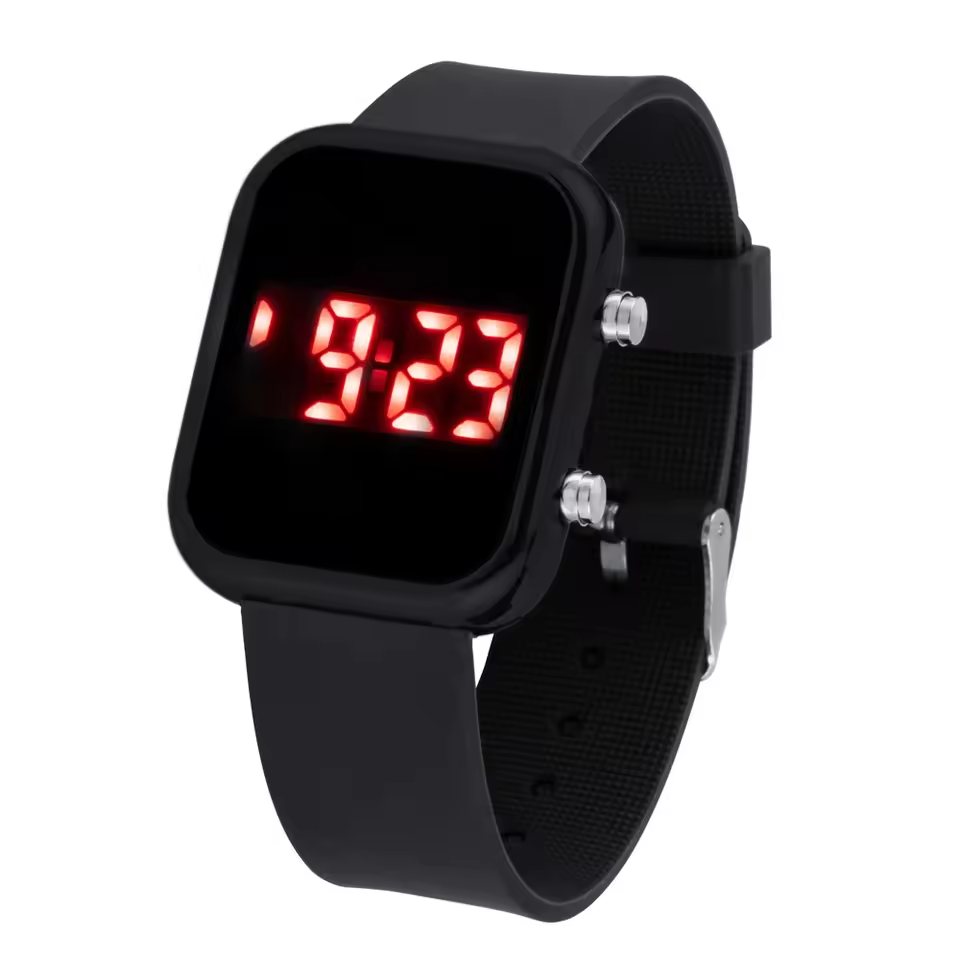
From Basic Chronographs to Smart Companions
Believe it or not, sports watches weren’t always digital marvels. In the early 20th century, timekeeping for sports was a manual affair. We’re talking about basic chronographs, like the Longines chronograph from 1913, which offered a simple stopwatch function for timing races. Then came the waterproof pioneers, like Omega’s “Marine” in the 1930s, allowing brave souls to venture underwater without ruining their precious timepieces. These were robust tools, built for survival and precise timing in demanding environments.
The real shift towards digital began in the 1960s and 70s with the advent of quartz technology. This made watches far more accurate and, crucially, more affordable. Casio famously launched its first digital watch in 1974, paving the way for a whole new era. Before that, the world saw the Pulsar LED prototype in 1970 and its commercial release in 1972, showcasing time in glowing red digits. Soon after, Seiko’s LCD watches in 1973 offered a more power-efficient display, a big step forward.
The 1980s brought multisport capabilities, and a true revolution occurred when Polar introduced the first wireless heart rate monitor in 1982. This was monumental, giving athletes real-time insight into their performance. Brands like Casio also introduced iconic Databank watches, packing calculators and data storage onto the wrist. The 1990s saw the groundbreaking arrival of GPS technology, first in handheld devices, and by 2003, Garmin launched the Forerunner 101, marking the birth of the GPS-enabled digital sports watch specifically for runners.
Fast forward to the 2010s, and smart technology truly integrated with sports watches. The Apple Watch, introduced in 2015, blurred the lines between fitness tracker and everyday smartwatch, offering a plethora of health monitoring and connectivity features. Today’s digital sports watches are sophisticated, multi-functional powerhouses, continually pushing the boundaries of what’s possible on your wrist.
Unpacking the Power: Key Features of a Modern Digital Sports Watch
So, what exactly can these marvels do? Modern digital sports watches are packed with an impressive array of features designed to cater to every aspect of your active life.
Precision Tracking for Every Activity
At its core, a digital sports watch is your personal coach and data scientist. Integrated GPS is almost standard, offering accurate distance, pace, and route tracking for activities like running, cycling, and hiking. Advanced models boast multi-band and dual-frequency GNSS (Global Navigation Satellite Systems) support, meaning they connect to multiple satellite networks (like GPS, Galileo, and GLONASS) for unparalleled accuracy, even in challenging environments.
Many digital sports watches come with dedicated multi-sport modes, seamlessly transitioning between activities like running, swimming, and cycling to give you a comprehensive overview of your triathlon performance. For outdoor enthusiasts, features like altimeters track elevation changes, barometers predict weather shifts, and digital compasses keep you oriented, even when your phone has no service.
Holistic Health Monitoring on Your Wrist
Beyond just tracking your workouts, these watches are increasingly focused on your overall well-being. Heart rate monitoring is a fundamental feature, often provided directly from the wrist, allowing you to stay within target zones during training and gauge recovery. Many also include SpO2 (blood oxygen) sensors, giving you insights into your body’s oxygen saturation, especially useful at higher altitudes or for sleep analysis.
Sleep tracking has become a standard, offering detailed insights into your sleep patterns, including deep, light, and REM sleep phases. Stress tracking, recovery time estimations, and even “Body Battery” features (like those found in Garmin watches) help you understand your energy levels throughout the day, ensuring you don’t overtrain.
Smart Connectivity & Convenience
Today’s digital sports watches aren’t just about fitness; they’re about staying connected. They seamlessly pair with your smartphone to deliver smart notifications right to your wrist, so you can see calls, texts, and app alerts without breaking your stride. Many models offer music storage, allowing you to download playlists from services like Spotify or Amazon Music directly to your watch, leaving your phone behind on your run.
Contactless payment systems like Garmin Pay or Apple Pay mean you can grab a post-workout snack or coffee with a tap of your wrist. Some high-end models even offer cellular connectivity, letting you make calls, send messages, and access emergency services directly from your watch, even when your phone isn’t nearby.
Built to Endure: Durability & Display
Let’s face it, a sports watch needs to be tough. Durability is a key selling point, with many models featuring water resistance ratings suitable for swimming, snorkeling, and even recreational diving (often 100 meters or more). Shock resistance is crucial, especially for activities that involve impacts. Manufacturers are increasingly using premium materials like sapphire crystal for scratch-resistant displays and titanium or ceramic for lightweight yet incredibly robust casings.
The display itself has seen significant evolution. While traditional MIP (Memory-in-Pixel) displays offered excellent battery life and outdoor visibility, AMOLED screens are rapidly becoming the norm. These displays, known for their vibrant colors and exceptional brightness (up to 1500 nits), offer a far more engaging visual experience, even if they sometimes require “raise-to-wake” features to conserve battery. As Dr. Elena Petrova, a renowned Sports Technology Analyst, puts it, “The shift to AMOLED displays in digital sports watches is a testament to user demand for clearer, more vibrant data visualization, even as engineers tirelessly work to optimize battery performance to match this graphical richness.”
Finding Your Perfect Training Partner: How to Choose a Digital Sports Watch
With so many fantastic options out there, picking the right digital sports watch can feel a bit overwhelming. But don’t fret; it’s all about matching the watch to your unique needs and lifestyle.
Assess Your Athletic Needs and Goals
First things first, what are you primarily going to use it for?
- Runners: You’ll want precise GPS, heart rate tracking, cadence, and possibly adaptive training plans.
- Swimmers: Look for high water resistance (ISO 6425 certification is a plus), swim stroke recognition, and heart rate tracking in water.
- Cyclists: Consider power meter compatibility, detailed ride metrics, and possibly on-screen maps.
- Hikers/Outdoor Adventurers: Barometric altimeters, robust navigation, long battery life, and superior durability are key.
- Gym Enthusiasts: Focus on accurate heart rate monitoring, strength training modes, and recovery insights.
Key Considerations: Battery Life, Accuracy, and Comfort
These three elements are non-negotiable for a truly great digital sports watch.
- Battery Life: For casual use, a few days is fine. But if you’re tackling ultra-marathons or multi-day treks, you’ll need a watch with exceptional battery endurance, possibly even solar charging capabilities. Think about how often you’re willing to charge it.
- Accuracy: For reliable performance data, look for watches with advanced GPS (multi-band GNSS) and consistently accurate heart rate sensors. Don’t settle for less if data integrity is important to your training.
- Comfort: You’ll be wearing this watch for extended periods, perhaps even while you sleep. Ensure the strap material is comfortable against your skin, and the watch size and weight feel right on your wrist. Silicone, nylon, or lightweight titanium are popular choices.
Budget vs. Features: Striking the Right Balance
Digital sports watches range from affordable basic trackers to high-end, feature-rich powerhouses. While pricier models often offer more advanced sensors, premium materials, and longer battery life, a budget-friendly watch with core functions might be perfectly sufficient for your needs. Determine your must-have features and then explore options within your price range. Sometimes, a simpler digital sports watch that performs its core functions flawlessly is a better choice than an expensive one with features you’ll never use.
The Edge You Need: Benefits of Embracing a Digital Sports Watch
Integrating a digital sports watch into your routine brings a multitude of advantages that can genuinely transform your approach to fitness and daily life.
- Real-time Performance Insights: Imagine adjusting your pace mid-run because your watch tells you you’re in the wrong heart rate zone, or knowing precisely how many calories you’ve burned during a workout. Digital sports watches provide immediate, actionable data, empowering you to train smarter and more effectively.
- Enhanced Safety and Navigation Outdoors: For those who love to explore, these watches offer a lifeline. GPS navigation helps you stay on track, while features like emergency SOS (on some smartwatches) provide peace of mind. Even without cellular service, built-in maps and compasses can guide you through uncharted territory.
- Motivation and Goal Achievement: Seeing your progress visualized on your wrist and in companion apps can be incredibly motivating. Tracking personal bests, hitting daily step goals, or completing a structured training plan fosters a sense of accomplishment and encourages consistent effort.
- Durability for Demanding Environments: Unlike fragile smartphones, a digital sports watch is built to take a beating. Its robust construction means you can focus on your activity without worrying about damaging your device, whether you’re rock climbing, diving, or simply sweating profusely.
Glimpse into Tomorrow: Digital Sports Watch Trends for 2025 and Beyond
The landscape of wearable tech is constantly evolving, and the digital sports watch is at the forefront of this innovation. What can we expect in the near future?
One undeniable trend is the dominance of AMOLED displays. While battery life remains a challenge, the visual appeal and clarity of AMOLED screens are simply too good to ignore, with more brands adopting them across their ranges. Expect to see continued advancements in AI-powered coaching and hyper-personalization. Your watch won’t just track data; it will actively learn your habits, predict your performance, and offer increasingly tailored training advice based on your recovery, sleep quality, and even stress levels.
We’ll also witness the integration of even more advanced biometric sensors and health integration. Think non-invasive blood glucose monitoring, enhanced body temperature tracking, and perhaps even more sophisticated diagnostic capabilities, moving watches closer to being true health hubs. Finally, expect a greater focus on sustainable materials and design, as brands respond to consumer demand for eco-friendly products. This could mean more recycled components, longer product lifespans, and easier repairability.
Keeping Your Companion in Top Shape: Maintenance Tips
To ensure your digital sports watch remains a reliable partner for years to come, a little care goes a long way.
- Regular Cleaning: Sweat, dirt, and sunscreen can build up. Wipe down your watch and strap after each workout with a damp cloth. For silicone straps, a gentle soap and water solution works wonders.
- Software Updates: Always keep your watch’s software updated. These updates often bring performance improvements, bug fixes, and new features that enhance your experience.
- Battery Care: For rechargeable watches, avoid completely draining the battery frequently. Charge it before it hits critically low levels to prolong its lifespan. If your watch uses a replaceable battery, consult the manual for proper replacement procedures or take it to a professional.
- Avoid Extreme Temperatures: While designed for rugged use, extreme hot or cold temperatures can affect battery performance and screen longevity.
- Check Water Seals: If you regularly swim or dive with your watch, it’s a good idea to have the water seals checked periodically by a professional, especially after a battery change.
Frequently Asked Questions About Digital Sports Watches
Got more questions buzzing in your head? Let’s tackle some common queries about these amazing devices.
What makes a digital sports watch different from a regular smartwatch?
While there’s overlap, a digital sports watch prioritizes robust fitness tracking, durability, and specific athletic features (like multi-sport modes, advanced GPS, and longer battery life in GPS mode). A regular smartwatch might focus more on general connectivity, app ecosystems, and lifestyle features, though many modern smartwatches also offer excellent fitness tracking.
How accurate is the GPS on these watches?
Modern digital sports watches with multi-band or dual-frequency GNSS are remarkably accurate, often within a few meters. However, accuracy can be affected by dense tree cover, tall buildings, or poor satellite signal. For most athletes, the consistency of tracking is more important for performance analysis than absolute pinpoint accuracy.
Can I swim with my digital sports watch?
Most digital sports watches are water-resistant to at least 50 meters, making them suitable for swimming and showering. However, always check the specific water resistance rating of your model. Watches rated 100 meters or more are generally safe for recreational diving, but dive computers are recommended for serious underwater adventures.
What’s the typical battery life I can expect?
Battery life varies wildly depending on the model, features used, and display type. Basic digital watches can last for years on a single coin cell battery. Rechargeable smart sports watches can last anywhere from 1-2 days (with always-on AMOLED and constant GPS) to several weeks (with power-saving modes and MIP displays). Solar charging can significantly extend battery life for outdoor use.
Are digital sports watches worth the investment?
If you’re serious about your fitness, want to track your progress accurately, gain insights into your health, and stay motivated, then absolutely! The data and convenience they offer can be invaluable for optimizing your training and achieving your goals. Even a moderately priced digital sports watch can offer significant value.
How do I keep my digital sports watch clean and maintained?
Regular cleaning with a damp cloth, especially after workouts, is crucial. Keep the charging contacts free of debris. Always install software updates promptly. For watches with replaceable batteries, follow the manufacturer’s instructions or seek professional help for changes to maintain water resistance.
The Future on Your Wrist
There you have it – a comprehensive look into the exciting world of the digital sports watch. From humble beginnings as simple timekeepers to today’s sophisticated wrist-worn computers, these devices have become indispensable tools for anyone embracing an active lifestyle. They offer unprecedented insights into our bodies, connect us to our digital lives, and provide the motivation to keep pushing forward.
Whether you’re a seasoned athlete, a weekend warrior, or just starting your fitness journey, a digital sports watch is more than just an accessory; it’s a partner in your pursuit of health and excellence. So go ahead, explore the possibilities, find the perfect digital sports watch that speaks to you, and get ready to elevate your performance like never before!