In a world increasingly driven by innovation and conscious living, the digital watch has evolved beyond a simple time-telling device. Today, it stands as a sophisticated fusion of technology, style, and sustainability. Among the most compelling advancements in this space is the solar digital watch, a timepiece that not only keeps you punctual but also champions environmental responsibility. Imagine a watch that thrives on light, constantly recharging itself, ready for every adventure without the hassle of battery replacements. This isn’t science fiction; it’s the reality of solar-powered digital watches, setting a new standard for modern timekeeping and forging deeper connections with a community that values both cutting-edge tech and timeless design.
|
Our Picks for the Best Digital Watch in 2026
As an Amazon Associate I earn from qualifying purchases.
|
||
| Num | Product | Action |
|---|---|---|
| 1 | Casio Illuminator AE1500WH Series - 10-Year Battery - LED Backlight - 5-Alarms - 1/100 Sec Stopwatch - Men\'s Digital Watch |

|
| 2 | Casio A158WA Series - Unisex Digital Watch - Vintage - WR - 100 SEC Stop Watch - Daily Alarm - Regular Time Keeping: Hour, Minute, Second, PM, Date, Day - Led Light - 7 Yr Battery |
|
| 3 | Casio F91W Series - Digital Watch - Water Resistant - LED Light - 1/100 SEC Stopwatch - Regular Time Keeping (HR, Min, SEC, PM, Date, Day) - Daily Alarm - Lightweight - 7 Year Battery |
|
| 4 | WNH Smart Watch for Women Android & iPhone, 1.8\" Touch Screen Fitness Tracker with Alexa, Call & Notification Alerts, Heart Rate/Sleep/SpO2 Monitor, IP68 Waterproof, 120+ Sport Modes (Pink) |
|
| 5 | Casio F108WH Series - Men\'s Digital Watch - Illuminator - Water Resistant - LED Light - Daily Alarm - 1/100 SEC Stopwatch - 3 Hands (HR, Min, SEC) - Date/Day Display - Daily Alarm - 7 Year Battery |
|
| 6 | Beeasy Kids Watch, Kid Digital Watch for Ages 3-15 Boys Girls, 50M Waterproof Sport Outdoor Multifunctional Kid Watch with Silicone Band LED Backlight Alarm Stopwatch 12/24 H, Ideal Kids Gift |
|
| 7 | SOCICO Mens Digital Watch Sports Waterproof Outdoor Large Face Military Watches with Stopwatch Back Light Alarm Date Display |
|
| 8 | Smart Watches for Men Android & iPhone, 1.8\" Alexa Built-in Smartwatches Fitness Tracker Watch with Bluetooth Calls, IP68 Waterproof, Heart Rate/Sleep/SpO2 Monitor, 110 Sport Modes - Black |
|
| 9 | HANPOSH Mens Digital Watch Ultra Thin Minimalist Sports Waterproof Outdoor LED Screen Large Face Wrist Watches for Men with Back Light Alarm Date Stopwatch |
|
| 10 | Armitron Sport Women\'s Digital Chronograph Resin Strap Watch, 45/7012 |
|
The Dawn of Sustainable Timekeeping: A Brief History of Solar Digital Watches
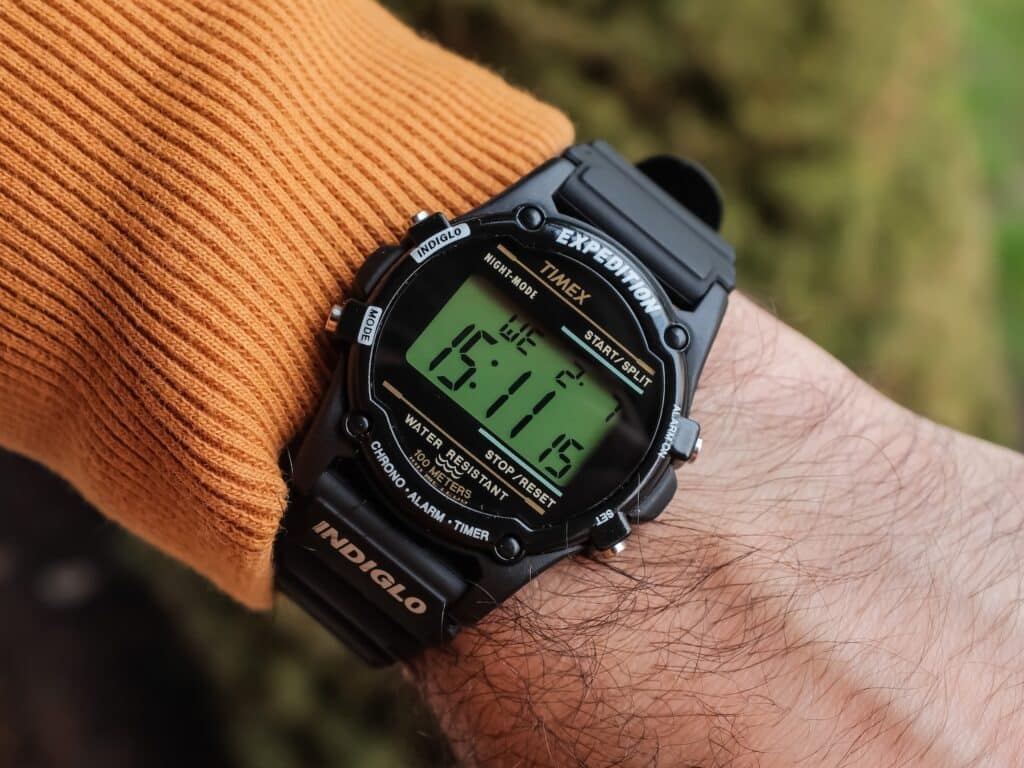
The concept of harnessing the sun’s power for timekeeping isn’t new; early solar watches emerged in the 1970s, featuring innovative, though sometimes bulky, designs to accommodate photovoltaic solar cells. Brands like Synchronar, Nepro, Sicura, and Seiko were among the pioneers. These initial models were foundational, paving the way for the sophisticated devices we know today. The real game-changer arrived in 1996 when Citizen introduced its “Eco-Drive” technology, popularizing analog light-powered watches and significantly improving the efficiency and capacity of photovoltaic devices. Since then, the technology has miniaturized, allowing solar cells to be seamlessly integrated into watch faces, often discreetly hidden beneath the dial or within a narrow frame around the display, making solar timekeeping a major part of many watchmakers’ ranges by 2009.
How Solar Digital Watches Power Your Day: Technology Unpacked
At its heart, a solar digital watch is a marvel of efficiency, converting light energy into electrical current. This process begins with tiny solar cells, often referred to as photovoltaic cells, strategically placed on the watch face or under a semi-transparent dial. When light—whether natural sunlight or artificial indoor light—strikes these cells, it stimulates electrons, generating an electric current. This electrical energy is then routed to a special rechargeable battery, typically a lithium-ion cell, where it’s stored.
Unlike traditional quartz watches that rely on disposable batteries, solar digital watches use these rechargeable power cells, which can be charged and discharged hundreds, even thousands, of times before needing replacement. This stored energy continuously powers the watch’s quartz movement, ensuring remarkably accurate timekeeping. Modern solar watches boast impressive power reserves, capable of running for several months, or even up to 24 months, in complete darkness on a full charge, often activating power-saving modes after about 90 minutes without light to conserve energy. The brighter the light, the faster the charge, but even ambient indoor light contributes to keeping your timepiece running smoothly.
Beyond the Basics: Features and Innovations in Solar Digital Watches
Modern solar digital watches are packed with features that cater to a dynamic lifestyle, blending rugged functionality with advanced technology.
Display Technology
Clarity is king for digital displays. These watches often feature clear, easy-to-read LCDs, sometimes with automatic EL backlighting for visibility in low-light conditions. Many also offer customizable displays, allowing users to prioritize the information most relevant to them.
Power Efficiency and Reserve
One of the most compelling aspects is their remarkable power efficiency. Fully charged, many solar digital watches can operate for six months or more in total darkness, with some advanced models extending that to a year or even longer in power-save mode. This means you rarely have to think about charging, letting the sun do all the work.
Health and Connectivity
The convergence of traditional watchmaking with smart technology is a significant trend. Many solar digital watches now integrate features like GPS tracking, heart rate monitoring, and fitness tracking, appealing to athletes and health-conscious individuals. Some even offer smartphone app support and Bluetooth connectivity, blurring the lines between a classic timepiece and a full-fledged smartwatch. As an expert in watch technology, I believe this integration will only deepen, offering seamless interaction with our digital lives while retaining the core benefits of solar power.
Durability
Durability is a cornerstone for many brands, notably Casio’s G-Shock line, which offers “Tough Solar” models known for shock and water resistance (often up to 200m), making them ideal companions for outdoor adventurers and those with demanding lifestyles.
Atomic Timekeeping
For unparalleled accuracy, some solar digital watches incorporate atomic timekeeping. These watches receive radio signals from atomic clocks around the world, automatically calibrating to ensure precise timekeeping, even across different time zones.
Finding Your Perfect Timepiece: A Buyer’s Guide to Solar Digital Watches
Choosing the right solar digital watch means considering how it fits into your life.
Purpose
Are you an outdoor enthusiast needing rugged features like compasses, altimeters, and barometers? A fitness buff looking for heart rate and GPS tracking? Or simply someone seeking a reliable, low-maintenance daily driver? Your primary use case will narrow down your options.
Budget
The market for solar digital watches is incredibly diverse, ranging from affordable models starting around £50 to luxury pieces with extensive functions (like GPS and radio control) that can exceed £5000. Established brands offer reliable options across various price points.
Style and Design
Solar digital watches come in a myriad of styles—from the minimalist aesthetic of Junghans to the robust, tactical look of a Casio G-Shock or Garmin Instinct. Some designs feature visible solar cells on the dial, which some wearers appreciate as a statement of eco-consciousness, while others prefer the cells to be discreetly integrated for a cleaner look.
Key Considerations
Beyond core features, evaluate water resistance ratings (essential for swimmers or divers), the type of display (negative display vs. standard), and the materials used for the case and strap, which contribute to both aesthetics and durability.
Leading the Charge: Popular Brands and Models
Several brands have carved out significant niches in the solar digital watch market, each bringing their unique strengths:
- Casio G-Shock: Synonymous with toughness, G-Shock’s “Tough Solar” line combines legendary durability with atomic timekeeping and an array of digital functions, making them favorites for outdoor and tactical use.
- Citizen Eco-Drive: A pioneer in light-powered technology, Citizen offers a vast collection of Eco-Drive watches, from versatile everyday models to professional dive watches like the Promaster Diver.
- Seiko: With a rich heritage in watchmaking, Seiko provides reliable and stylish solar movements in various collections, including their Prospex line.
- Garmin: Known for its sports and outdoor devices, Garmin offers feature-rich solar watches like the Instinct Solar and Fenix series, which integrate advanced GPS and health monitoring capabilities.
- Timex: A go-to for affordable reliability, Timex offers accessible solar options like the Expedition Field Post Solar, combining classic field watch aesthetics with sustainable power.
- Luxury Brands: Even high-end brands like Cartier and TAG Heuer have entered the solar watch market, releasing their first solar models in recent years, proving the technology’s appeal across all segments.
The Bright Side and the Shade: Pros and Cons of Solar Digital Watches
Like any technology, solar digital watches come with their own set of advantages and considerations.
Benefits
- Eco-Friendly: By eliminating the need for frequent disposable battery changes, solar watches significantly reduce electronic waste, making them a more sustainable choice.
- Low Maintenance: The rechargeable battery system means you won’t be visiting a jeweler for replacements every few years, saving both time and money.
- Reliability and Accuracy: Combining the precision of quartz movements with a perpetual power source, solar watches offer consistent and accurate timekeeping.
- Long Lifespan: With proper care, the rechargeable cells can last for many years, often exceeding a decade, providing excellent long-term value.
- Advanced Features: The consistent power supply enables the integration of energy-intensive functions like GPS, sensors, and robust backlighting.
Drawbacks
- Higher Initial Cost: Solar digital watches can sometimes have a higher upfront price compared to basic battery-powered alternatives due to the advanced technology involved. However, this is often offset by long-term savings on battery replacements.
- Aesthetics: For some, the visible solar cells on the dial might detract from a watch’s aesthetic, particularly in formal settings. This is a matter of personal preference, and many brands now integrate these cells very subtly.
- Need for Light Exposure: While modern solar watches have impressive power reserves, prolonged periods in complete darkness can eventually drain the battery. Regular exposure to light, even ambient room light, is necessary to maintain optimal charge.
- Repair Complexity: Repairs for solar digital watches can sometimes be more intricate than for traditional battery-powered watches due to their specialized internal components.
Glimpsing Tomorrow: Trends and the Future of Solar Digital Watches
The future for solar digital watches is exceptionally bright, driven by several exciting trends. The global solar watch market, valued at $1.5 billion in 2025, is projected to reach $2.8 billion by 2033, growing at a Compound Annual Growth Rate (CAGR) of 7%. This growth is fueled by an increasing consumer awareness of sustainability, pushing demand for eco-friendly products.
Technological advancements are continually improving solar cell efficiency, allowing for smaller, more discreet integration into watch designs without compromising power generation. We’re seeing a deeper convergence with smart features, blurring the lines between traditional timepieces and smart wearables, including more sophisticated health monitoring, GPS, and contactless payment capabilities. Casio, for example, introduced a solar-powered smartwatch with GPS tracking in 2022.
Furthermore, expect to see more hybrid charging systems, combining solar power with other methods like USB charging for ultimate versatility. The industry is also embracing recycled materials in watch production, aligning with broader sustainability goals. As luxury brands like Cartier and TAG Heuer continue to invest in solar technology, it’s clear that solar digital watches are not just a passing fad but a lasting shift in watchmaking, promising a future where cutting-edge technology and environmental consciousness go hand-in-hand.
Keeping Your Solar Digital Watch Shining: Maintenance Tips
To ensure your solar digital watch continues to perform optimally for years to come, a few simple maintenance practices go a long way:
- Regular Light Exposure: The most crucial tip is to regularly expose your watch to light. This doesn’t mean direct, intense sunlight all the time; everyday wear or placement near a window will usually suffice. Avoid storing your watch in a drawer or box for extended periods.
- Avoid Prolonged Darkness: If you must store your watch for a long time, ensure it has a full charge beforehand. Modern watches have power-saving modes, but extreme lack of light can still lead to deep discharge.
- Cleaning and Care: Keep the watch face clean. Dust or smudges on the dial can slightly impede the solar cells’ ability to absorb light. A soft, damp cloth is usually all you need.
- Check Power Indicators: Many solar digital watches feature a power level indicator on their display, allowing you to monitor the charge level and give it a “light bath” when needed.
Frequently Asked Questions
How long do solar digital watches last?
With proper care, a solar digital watch can last a very long time. While the rechargeable battery itself has a lifespan (often 7-12 years before a potential replacement), the watch movement can function for decades, far outliving traditional battery-powered watches.
Can a solar watch charge with artificial light?
Yes, solar digital watches can charge under artificial light, such as indoor lighting or a lamp. However, charging will be slower and less efficient than under natural sunlight. Direct sunlight provides the fastest and most complete charge.
Do solar watches need battery replacements?
Technically, solar digital watches use a rechargeable power cell, not a disposable battery. While these cells are designed to last for many years (often 10+), they may eventually need replacement, though far less frequently than traditional watch batteries.
Are solar digital watches accurate?
Yes, solar digital watches are highly accurate. They utilize quartz movements, known for their precision. Many models also feature atomic timekeeping, which automatically synchronizes with global atomic clocks for unparalleled accuracy.
What is “Tough Solar”?
“Tough Solar” is Casio’s proprietary solar charging system for their G-Shock and other watch lines. It’s designed to efficiently convert even weak light sources into power, providing reliable operation for watches packed with features, all while maintaining G-Shock’s legendary durability.
Can I wear my solar digital watch swimming?
Many solar digital watches, especially those designed for sports or outdoor use, offer high levels of water resistance (e.g., 100m or 200m), making them suitable for swimming, snorkeling, and even diving. Always check your specific model’s water resistance rating.
Are solar watches worth the investment?
Absolutely. Despite a potentially higher initial cost, the long-term savings on battery replacements, coupled with their eco-friendliness, reliability, accuracy, and advanced features, make solar digital watches an excellent and sustainable investment for any discerning individual.
Conclusion
The solar digital watch represents more than just a passing trend; it’s a testament to how innovative technology can align seamlessly with sustainable practices and sophisticated design. From their humble beginnings to today’s highly advanced models, these watches offer unparalleled convenience, accuracy, and durability, all while harnessing the boundless power of light. As we look to the future, the continued integration of smart features, enhanced efficiency, and evolving aesthetics will only solidify the solar digital watch‘s position as an indispensable companion for the eco-conscious and tech-savvy individual. Embrace this brilliant future of timekeeping, explore the diverse range of solar digital watches available, and connect with a community that champions progress, precision, and a healthier planet.