In the ever-evolving world of timekeeping, the choice between a classic analog watch and a modern digital watch has long fascinated enthusiasts and casual wearers alike. It’s more than just telling time; it’s about personal style, practical needs, and a connection to either timeless craftsmanship or cutting-edge innovation. For decades, the debate of which is “better” has sparked conversations, but in reality, understanding the unique appeal of both a Digital And Analog Watch reveals a rich tapestry of options, including exciting hybrid models that blend these worlds seamlessly. Let’s dive deep into what makes each type tick and how they continue to shape our wrists and lives.
The Enduring Legacy of Analog Watches
For centuries, analog watches have graced wrists as symbols of elegance, status, and intricate artistry. With their familiar hands sweeping across a dial adorned with numbers or markers, they offer a visual narrative of time’s passage. The beauty often lies in their mechanical heart, a complex ballet of gears, springs, and jewels, meticulously assembled by skilled artisans. This tradition of horology appeals deeply to those who appreciate fine craftsmanship and a connection to history.
Analog watches possess a timeless aesthetic that effortlessly complements both formal business attire and casual weekend wear. They are often seen as pieces of jewelry, chosen for their design, the materials used, and the story they tell. “There’s an undeniable charm in the subtle tick of an analog watch,” observes Dr. Evelyn Reed, a renowned horology historian. “It’s a quiet testament to human ingenuity, a miniature machine that requires no battery or screen, just the physics of its own construction.” Beyond mere timekeeping, some analog models boast complications like chronographs, moon phase indicators, or even perpetual calendars, showcasing advanced mechanical engineering.
The Rise of Digital Precision and Functionality
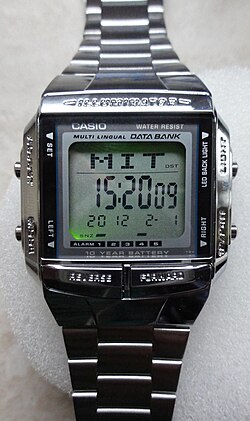
The landscape of timekeeping underwent a revolutionary shift with the advent of the digital watch. Born in the 1970s, these timepieces traded intricate mechanical movements for electronic components, displaying time with precise digits on LED (Light Emitting Diode) or later, more energy-efficient LCD (Liquid Crystal Display) screens. The Hamilton Pulsar, launched in 1972, marked a pivotal moment, introducing the world to a futuristic way of reading time that was both accurate and distinctly modern.
What truly set digital watches apart was their unparalleled functionality beyond simple time telling. Early models quickly incorporated features like stopwatches, timers, and alarms, making them indispensable tools for athletes, students, and anyone needing more than just the current hour. As technology progressed, so did the capabilities of the digital watch, with innovations like water resistance, calculators, and even altimeters and compasses turning them into versatile gadgets for everyday life and outdoor adventures. Companies like Casio and Timex democratized digital timekeeping, making these feature-rich watches accessible to a mass market and cementing their place in popular culture.
Key Innovations that Shaped Digital Watch Technology
Digital watch technology has seen rapid advancements, introducing features that have significantly enhanced their utility:
- Quartz Technology: Providing exceptional accuracy by using the precise vibrations of a quartz crystal.
- LCD Screens: Offering a constant display without the battery drain of early LEDs, improving readability in various conditions.
- Solar Power: Allowing watches to charge from ambient light, extending battery life and reducing environmental impact.
- Enhanced Water Resistance: Making digital watches robust companions for swimming, diving, and other water sports.
- Integrated Sensors: Adding functionalities like barometers, thermometers, and even early heart rate monitors.
Digital and Analog Watch: A Tale of Two Displays
When you boil it down, the fundamental difference between a digital and analog watch is how they present information. An analog watch offers a more abstract, spatial representation of time, allowing you to quickly gauge time intervals with a glance at the hand positions. It evokes a sense of continuity, showing where you’ve been and where you’re going within a 12-hour cycle.
On the other hand, a digital watch provides the exact time down to the second, leaving no room for interpretation. This precision is invaluable for tasks requiring exact timing. While some find the numerical display less poetic, its straightforwardness is a significant advantage in many situations. The choice often comes down to whether you prioritize a quick, intuitive sense of time’s flow or absolute, immediate precision.
The Best of Both Worlds: Hybrid Smartwatches
What if you crave the classic aesthetics of an analog timepiece but also desire the smart features of modern wearable technology? This is where the hybrid smartwatch shines, offering a compelling blend of a digital and analog watch experience. These ingenious devices typically feature traditional watch hands and a conventional dial, subtly concealing smart sensors and modules beneath their elegant exterior.
Hybrid smartwatches are designed for individuals who appreciate understated style but don’t want to miss out on essential connectivity. They can track your steps, monitor your sleep patterns, and even keep an eye on your heart rate, all while looking like a sophisticated traditional watch. Notifications for calls, texts, and app alerts are often discreetly delivered through vibrations or subtle hand movements, allowing you to stay connected without the constant screen distractions of a full smartwatch. Their most celebrated feature is often their exceptional battery life, lasting weeks or even months on a single charge, a stark contrast to their fully digital smartwatch cousins. Mr. Alex Chen, a renowned smartwatch designer, comments, “Hybrid smartwatches are a testament to how design and technology can coexist harmoniously, offering utility without sacrificing timeless appeal.”
Who are Hybrid Smartwatches for?
Hybrid smartwatches are perfect for:
- Professionals who need a classic look for the office but want basic fitness tracking.
- Fashion enthusiasts who prioritize style but appreciate subtle smart notifications.
- Travelers who need long battery life and don’t want another device to charge daily.
- Individuals seeking essential health tracking without the complexity or screen-centric interface of a full smartwatch.
Choosing Your Perfect Timepiece: Digital and Analog Watch Considerations
Deciding between a digital and analog watch, or even a hybrid, depends entirely on your personal preferences, lifestyle, and what you value most in a timepiece. There’s no single “best” option, only the best fit for you.
What Factors Should You Consider When Selecting a Digital and Analog Watch?
When making your choice, ponder these key aspects:
- Purpose: Are you looking for a daily driver, a fashion accessory, a sports companion, or a rugged outdoor tool?
- Lifestyle: Do you lead an active life where durability and extra functions are key, or is your routine more about refined aesthetics?
- Aesthetics: Do you prefer the classic, timeless appeal of hands on a dial, or the modern, often utilitarian look of a digital display?
- Functionality: Beyond telling time, what features are essential to you? Alarms, stopwatches, health tracking, notifications?
- Readability: Do you prefer the quick visual interpretation of analog hands or the precise numerical readout of a digital display?
- Maintenance: Are you comfortable with battery changes/recharging or do you prefer the self-sustaining nature of a mechanical watch?
- Budget: Prices vary wildly across all categories, from affordable digital options to luxury mechanical analogs and advanced smartwatches.
For many, the ideal solution isn’t to choose one exclusively but to embrace both. An elegant analog watch for formal occasions and a robust digital watch for workouts or outdoor adventures offers the best of both worlds.
The Future of Timekeeping: What’s Next for Digital and Analog Watch Innovation?
The journey of the digital and analog watch is far from over. Innovation continues to push boundaries, particularly in the realm of smartwatches and hybrid devices. We’re seeing advancements in battery technology, more sophisticated health sensors (like ECG and blood oxygen monitoring), and increasingly seamless integration with our digital lives. Design is also evolving, with brands finding creative ways to make smart features less intrusive and more intuitive, sometimes even reviving retro digital aesthetics with modern internal components. The push towards sustainability, using recycled materials and more energy-efficient components, is also a growing trend in the watch industry, ensuring these timepieces are not only advanced but also responsible.
Maintaining Your Time Teller: Tips for Longevity
Whether you own a sophisticated analog watch or a rugged digital model, proper care ensures its longevity and performance.
- Regular Cleaning: Gently wipe your watch with a soft, damp cloth to remove dirt and grime. For waterproof models, a mild soap solution can be used.
- Battery Life: For quartz and digital watches, be mindful of battery life. Don’t let a dead battery sit in the watch for too long as it can leak and damage the movement.
- Water Resistance: Always check the water resistance rating before exposing your watch to water. Remember, “water resistant” doesn’t necessarily mean “waterproof for diving.”
- Avoid Extreme Temperatures: Both extreme heat and cold can affect the accuracy and lifespan of your watch.
- Professional Servicing: Mechanical analog watches benefit from regular servicing (every 3-5 years) to lubricate gears and ensure accuracy.
Frequently Asked Questions about Digital and Analog Watches
What is the main difference between an analog and a digital watch?
The primary difference lies in how they display time. An analog watch uses hands and a dial, offering a visual, continuous representation of time. A digital watch displays time numerically on an electronic screen, providing precise, immediate readings.
Are digital watches more accurate than analog watches?
Generally, quartz-powered digital watches are more accurate than mechanical analog watches because quartz movements rely on the consistent vibrations of a crystal. However, both analog and digital watches can use quartz movements, in which case their accuracy is comparable.
Can a watch be both digital and analog?
Yes, these are often referred to as “ana-digi” watches or, more commonly, “hybrid smartwatches.” They combine traditional analog hands with a digital display or hidden smart features for notifications and tracking.
Which type of watch is better for sports?
Digital watches are often preferred for sports due to their clear, precise digital readouts, stopwatches, timers, and often greater durability and water resistance. Smartwatches, a form of digital watch, offer advanced fitness tracking.
Are analog watches still popular today?
Absolutely! Analog watches remain highly popular for their classic aesthetics, traditional craftsmanship, and timeless appeal. Many view them as a fashion statement or a cherished heirloom.
What are the benefits of a hybrid smartwatch?
Hybrid smartwatches offer the best of both worlds: the classic style of an analog watch combined with essential smart features like activity tracking, sleep monitoring, and discreet notifications, all with excellent battery life.
A Timeless Choice for Every Wrist
From the intricate dance of hands on a classic analog watch to the precise numerical readout of a digital marvel and the seamless integration of a hybrid, the world of timekeeping offers something for everyone. Each type, a digital and analog watch included, represents a unique philosophy: one rooted in tradition and artistry, the other in precision and innovation, and a third that brilliantly bridges the gap. As we navigate our busy lives, the watches we choose do more than just tell time; they reflect our values, our style, and our connection to the moments that matter. So, whether your preference leans towards the enduring charm of the past or the cutting-edge promise of the future, there’s a perfect timepiece waiting to accompany you on your journey.