The Digital Watch has come a long way since its groundbreaking debut, transforming from a futuristic novelty into an indispensable accessory that perfectly balances cutting-edge technology with personal style. For decades, these ingenious timepieces have captivated enthusiasts and everyday users alike, proving that the future of horology isn’t just about tradition, but about constant, innovative evolution. From tracking your morning run to managing your daily schedule, the modern digital watch is more than just a time-teller; it’s a statement, a tool, and a constant companion on your wrist.
A Glimpse into the Digital Watch’s Fascinating History
Believe it or not, the concept of a digital display on a watch isn’t entirely new, with early mechanical digital “jump-hour” watches emerging in the 1920s. However, the true revolution began in the early 1970s with the advent of electronic digital watches. Imagine the buzz when the Hamilton Watch Company unveiled the Pulsar in 1972—the world’s first commercial electronic digital wristwatch. This groundbreaking piece, initially priced at an astonishing $2,100 (equivalent to over $13,000 today), was a luxury item, showcasing time with bright LED digits at the press of a button.
The early LED displays, while captivating, were power-hungry. The true turning point for mainstream adoption arrived with the introduction of Liquid Crystal Display (LCD) technology. Seiko’s 06LC, launched in 1973, was among the first LCD watches, allowing for continuous time display without rapidly draining the battery. By the late 1970s and 1980s, brands like Casio and Timex democratized digital timekeeping, offering affordable, reliable, and feature-rich models that became ubiquitous. These watches rapidly evolved, incorporating functions that seemed like science fiction at the time: built-in calculators, data storage, and even simple games.
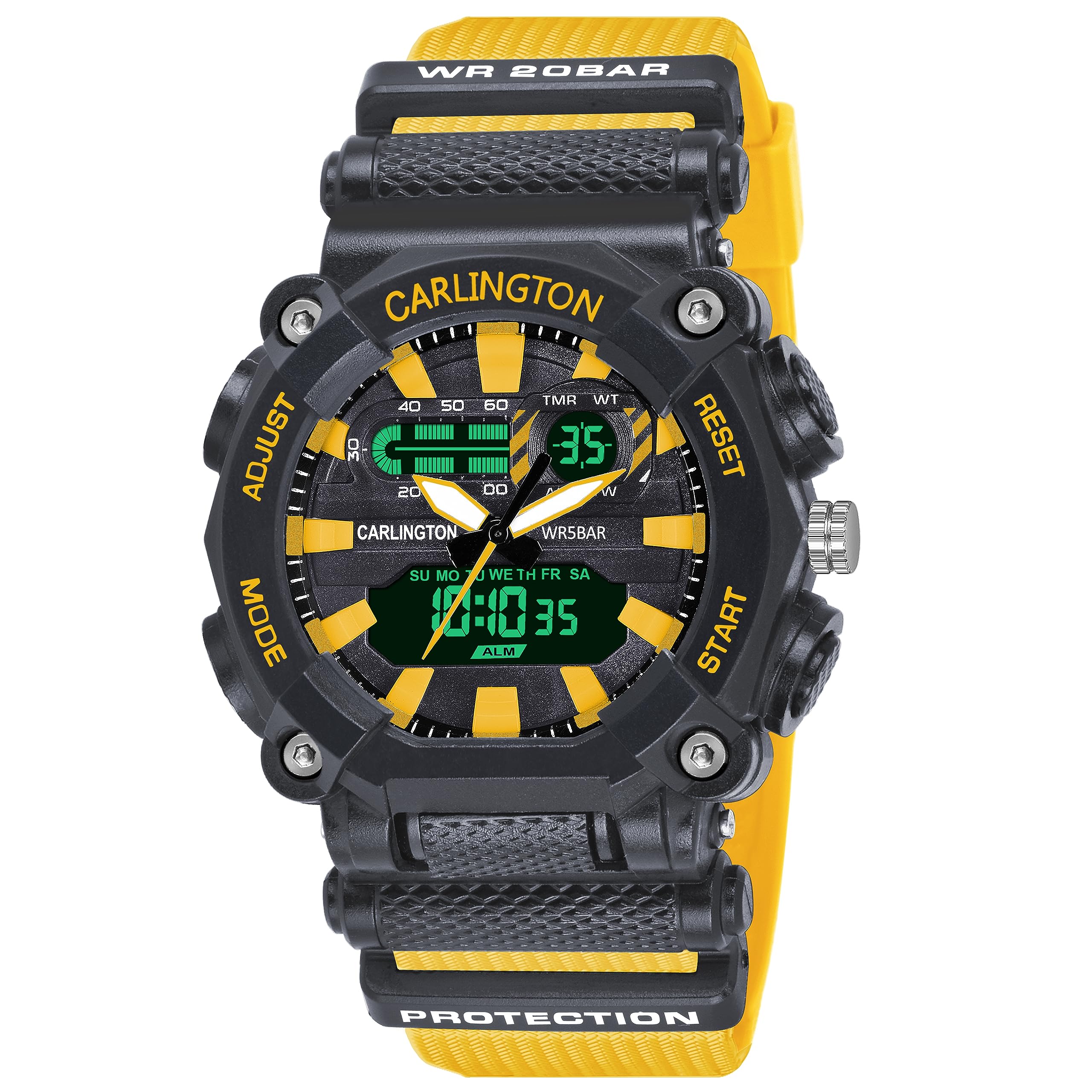
The 2000s marked another pivotal shift as digital watches began to connect with other devices, laying the groundwork for what we now know as smartwatches. Early smartwatches could sync with computers, store data, and run basic applications. Then came 2015, when Apple released the Apple Watch, changing the game entirely and blurring the lines between a watch and a powerful wearable computer. Today, the journey continues, with digital watches constantly evolving to meet modern demands.
Core Features and Cutting-Edge Technology Driving Digital Watches
At its heart, a digital watch is an electronic marvel. It relies on a precise quartz crystal oscillator to maintain impeccable timekeeping accuracy, often within seconds per month, far surpassing many mechanical counterparts. This crystal acts as the brain, processing oscillations and converting them into precise time measurements. The time itself is displayed numerically on an electronic screen, typically using one of three primary technologies:
- LCD (Liquid Crystal Display): Energy-efficient, providing continuous display and good visibility in various lighting conditions.
- LED (Light-Emitting Diode): Known for its bright, clear digits, often requiring a button press to illuminate, thus conserving battery.
- OLED (Organic Light-Emitting Diode): Offers superior contrast, vibrant colors, and wider viewing angles, providing a premium visual experience.
Beyond basic timekeeping, modern digital watches are packed with a suite of functionalities. You’ll find features like multiple alarms, precise stopwatches, countdown timers, and the ability to display various time zones—a godsend for frequent travelers. Many also include backlights or electroluminescence for easy readability in low-light conditions.
For those with active lifestyles, the technological advancements are truly impressive. Digital sports watches frequently boast robust shock resistance and significant water resistance, often rated for swimming or diving. Integrated sensors provide an array of data: GPS for accurate location tracking, altimeters for elevation, barometers for atmospheric pressure, and compasses for navigation. The integration of health and fitness tracking is also paramount, with many models offering heart rate monitors, SpO₂ sensors, sleep analysis, and pedometers to help you stay on top of your well-being.
Furthermore, the lines between traditional digital watches and smartwatches continue to blur. Many contemporary digital watches offer smartphone compatibility for notifications, contactless payment capabilities, and even voice assistants. Customization has also become a key driver, with users expecting personalized watch faces and a wide array of interchangeable strap options to match their mood and outfit.
Choosing Your Perfect Digital Watch: A Buyer’s Guide
Selecting the right digital watch can feel like navigating a tech fair, but focusing on a few key factors will help you find your ideal wrist companion.
Identify Your Purpose and Essential Features
First and foremost, ask yourself: What do you need your watch for? Are you a dedicated athlete who needs advanced fitness tracking, GPS, and superior water resistance? Or perhaps a busy professional looking for a reliable timepiece with multiple alarms and world time functions? If health monitoring is a priority, seek models with heart rate, blood oxygen (SpO₂), and sleep tracking capabilities. Pinpointing your primary use case will narrow down the field significantly.
Consider Design and Comfort
Digital watches come in a vast array of styles, from sleek, minimalist designs that fit seamlessly under a cuff to rugged, sporty models built for adventure. Pay attention to the materials used for the case and strap—stainless steel offers durability and a classic feel, while plastic or silicone provides lightweight comfort and enhanced shock resistance. Crucially, ensure the watch’s size and fit are proportional to your wrist for optimal comfort and aesthetics. A watch that feels just right will be one you love to wear every day.
Assess Durability and Water Resistance
If your life involves splashes, sweat, or unexpected bumps, durability is key. Look for specifications like “shock-resistant” and pay close attention to water resistance ratings. A rating of 50 meters (5 ATM) is generally suitable for splashes and brief immersion, while 100 meters (10 ATM) or more is recommended for swimming and watersports.
Understand Battery Life Expectations
Battery life can vary dramatically. Basic digital watches powered by quartz movements can often last for years on a single coin-cell battery. However, feature-rich smartwatches with GPS, continuous health monitoring, and frequent screen use might require daily or weekly charging. Consider your tolerance for charging frequency when making your choice.
Factor in Brand Reputation and Budget
Reputable brands often guarantee higher quality materials and proven technology. While you can find excellent digital watches across all price points, from under $50 to several hundred dollars or more for advanced smart models, setting a budget upfront helps manage expectations. Don’t be afraid to explore online reviews and community feedback for insights into reliability and performance.
Digital vs. Analog vs. Smartwatch: Understanding the Landscape
The world of watches offers a diverse spectrum, with digital watches occupying a unique and highly practical niche compared to their analog and smartwatch counterparts.
Digital Watches: These prioritize clear numerical display, accuracy (thanks to quartz movements), and multi-functionality. They often strike a balance between advanced features and straightforward reliability.
- Pros: Highly accurate, easy-to-read display, feature-rich (alarms, timers, world time), durable, often affordable, excellent battery life (for basic models).
- Cons: Can be perceived as less elegant or traditional than analog watches, battery dependency (though often long-lasting).
Analog Watches: Emphasize traditional craftsmanship, aesthetic appeal, and an emotional connection to timekeeping. They use hands on a dial and can be mechanical or quartz-powered.
- Pros: Timeless style, often considered more elegant for formal occasions, mechanical movements are admired for engineering.
- Cons: Less immediate precision (especially mechanical), fewer built-in functionalities compared to digital or smartwatches, can be more expensive.
Smartwatches: These are essentially wearable computers, offering extensive connectivity, app ecosystems, and advanced health tracking, often requiring frequent charging.
- Pros: Highly customizable (watch faces, apps), comprehensive health and fitness tracking, smartphone integration (calls, messages, payments), voice assistants.
- Cons: Shorter battery life (often daily charging), typically more expensive, can be distracting with constant notifications.
Many watch lovers choose to embrace both, wearing an analog piece for style and a digital one for performance, truly getting the best of all worlds.
Popular Digital Watch Brands and Iconic Models
The digital watch market boasts a rich history of innovation, spearheaded by brands that have become synonymous with reliability and forward-thinking design.
- Casio: A titan in the digital watch world, Casio is renowned for its durability and extensive feature sets.
- Casio F-91W: An undisputed classic, this affordable, no-frills digital watch is celebrated for its incredible reliability, long battery life, and minimalist design, remaining a bestseller since 1989.
- Casio G-Shock DW-5600 Series: The ultimate in ruggedness, G-Shock watches are built to withstand extreme conditions, offering unparalleled shock and water resistance, making them a favorite for adventurers and those needing an indestructible timepiece.
- Casio AE1200WH-1A (“Casio Royale”): Known for its retro aesthetic and world-time map display, this watch offers exceptional value with multiple alarms, a stopwatch, and a 10-year battery.
- Timex: Another household name, Timex offers robust and functional digital watches, particularly famous for its sports-oriented lines.
- Timex Ironman Classic 30: Marketed towards endurance athletes, the Ironman series popularized features like Indiglo backlighting and precise timing functions for workouts.
- Hamilton PSR: A modern homage to the original Pulsar, the Hamilton PSR combines retro styling with contemporary quartz digital technology, celebrating the roots of electronic digital timekeeping.
- Tissot PRX Digital: This watch takes the popular 1970s-revival PRX series and integrates a high-tech digital display, blending sport-luxury aesthetics with advanced digital functionalities.
- Garmin: While often considered smartwatches, many Garmin models like the Forerunner series offer robust digital displays and extensive fitness and outdoor activity tracking features, appealing to serious athletes.
These brands, among others, continue to push the boundaries, offering diverse options that cater to every need and taste, from basic timekeeping to professional-grade sports performance.
Maintaining Your Digital Watch for Longevity
To ensure your digital watch keeps ticking (or displaying) accurately for years to come, a little care goes a long way.
- Regular Cleaning: Make it a habit to wipe your watch daily with a soft microfiber cloth to remove fingerprints, sweat, and dust. For a deeper clean, dampen the cloth slightly with water and mild soap, gently rubbing the case and strap. Use a soft brush for crevices around buttons or links. Always dry it thoroughly. Avoid harsh chemical cleaners or alcohol, as these can damage seals and finishes.
- Avoid Extreme Environments: Digital watches, while durable, don’t fare well with extremes. Keep them away from intense heat (like a car dashboard on a sunny day) or freezing temperatures, which can degrade battery life and screen components. Similarly, strong magnetic fields (from speakers or large electronics) can interfere with the watch’s accuracy.
- Water Resistance Check: Even if your watch is water-resistant, it’s wise to be mindful. Avoid prolonged submersion unless the rating specifically allows for it. Annually check and maintain the seals and gaskets, especially if you frequently expose your watch to water, to prevent moisture from seeping into the delicate electronics.
- Battery Management: For basic digital watches, if the display starts to dim, it’s a clear sign the battery needs replacing. For smartwatches, consistent charging habits are essential. When it’s time for a battery replacement, especially for water-resistant models, consider visiting a certified watch technician to ensure seals are correctly reassembled.
- Safe Storage: When not on your wrist, store your digital watch in a padded box or a dedicated watch roll to protect it from scratches and dust. Keep storage areas away from direct sunlight and humidity, which can affect materials like leather straps.
By following these simple tips, your digital watch will remain a reliable and stylish companion for a very long time.
The Future of Digital Watches: What’s Next on the Wrist?
The landscape of digital watches is on an exciting trajectory, poised for even greater integration with our daily lives. Industry expert Dr. Alistair Finch, a renowned horology technologist, predicts, “We’re on the cusp of digital watches evolving into truly proactive health and lifestyle companions. Imagine a device that not only tracks but anticipates your needs, offering personalized insights before you even realize you need them.”
This future will be heavily influenced by Artificial Intelligence (AI) and Machine Learning. Expect digital watches to learn your habits, preferences, and even emotional states, offering highly personalized advice and insights. AI will power more accurate health monitoring, detecting subtle patterns that could indicate early health issues, and refining fitness coaching based on your unique physiological data.
Advanced Health Monitoring will go beyond current capabilities, with researchers developing sensors to measure blood sugar levels non-invasively, detect dehydration, or monitor blood pressure with medical-grade precision. The line between smartwatches and medical devices will continue to blur, presenting both regulatory challenges and significant opportunities for manufacturers who can meet stringent standards.
Expect innovations in display technology and power sources. Flexible displays that seamlessly wrap around the wrist could offer larger, more immersive screens. Breakthroughs in battery technology and the exploration of energy harvesting (from body heat or movement) could dramatically extend battery life, potentially eliminating the need for frequent charging altogether.
Enhanced Connectivity, driven by 5G rollout, will make digital watches even more autonomous, reducing their reliance on smartphones and enabling faster, more reliable data transfer. Furthermore, there will be a strong push towards sustainable materials and eco-friendly designs, aligning with growing consumer environmental consciousness. The future promises devices that are not just functional, but deeply integrated, intuitive, and seamlessly woven into the fabric of our connected existence.
Frequently Asked Questions About Digital Watches
Q1: How accurate are digital watches?
Digital watches are generally highly accurate, thanks to their quartz crystal technology. Most standard digital watches maintain accuracy within a few seconds per month, making them significantly more precise than typical mechanical watches.
Q2: How long do digital watch batteries last?
Battery life varies greatly depending on the watch’s features and usage. Basic digital watches can last anywhere from 5 to 10 years on a single battery. Feature-rich models or smartwatches with frequent backlight use, GPS, and health monitoring may require replacement or recharging every few days to a few years.
Q3: Are digital watches waterproof?
Many digital watches offer some level of water resistance, but “waterproof” is a strong term. It’s crucial to check the watch’s water resistance rating (e.g., 30m, 50m, 100m). A rating of 50 meters (5 ATM) is suitable for splashes, while 100 meters (10 ATM) or higher is generally safe for swimming. Always avoid pressing buttons underwater unless specified.
Q4: What’s the difference between a digital watch and a smartwatch?
A digital watch primarily displays time numerically and offers core functions like alarms, timers, and often basic sensors. A smartwatch is a more advanced wearable computer that integrates extensively with smartphones, offering an app ecosystem, comprehensive health tracking, notifications, and typically requires more frequent charging.
Q5: Why are digital watches popular?
Digital watches are popular for their exceptional accuracy, clear numerical display, multi-functionality, durability, and often affordable price points. They provide convenient access to various features and have evolved to combine technological innovation with diverse style options, catering to a wide range of user preferences.
Embracing the Digital Future on Your Wrist
From its humble beginnings as a luxury timepiece to its current status as a versatile, indispensable tool, the digital watch has cemented its place in the world of personal technology. It’s a testament to innovation, offering unparalleled accuracy, a wealth of features, and a style that is both classic and ever-evolving. Whether you’re a minimalist seeking precise timekeeping, an athlete demanding robust tracking, or a tech enthusiast eager for the latest advancements, there’s a digital watch perfectly crafted for your journey. As technology continues its relentless march forward, the digital watch will undoubtedly remain at the forefront, adapting, innovating, and continually redefining what we expect from a device on our wrist. Embrace the clarity, the power, and the sheer practicality that a digital watch brings to your life.