Have you ever found yourself wondering if Rolex, the undisputed king of luxury watches, has ventured into the world of digital smartwatches? It’s a common thought in our tech-driven age, where smart devices adorn nearly every wrist. However, let’s set the record straight right from the start: Rolex does not produce a digital smartwatch. While the idea of a “Rolex digital smartwatch” might spark intriguing possibilities for blending iconic luxury with cutting-edge technology, the brand’s philosophy remains firmly rooted in the intricate art of traditional mechanical watchmaking. This deep dive will explore why Rolex maintains its unique stance, what defines the true spirit of a digital watch, and how discerning enthusiasts navigate the modern horological landscape.
Why Rolex Steers Clear of Smartwatches: A Deep Dive into Brand Philosophy
Rolex, founded in 1905, has built its illustrious reputation on a foundation of precision, craftsmanship, and a rich heritage that spans over a century. The brand’s unwavering commitment to mechanical horology is at the heart of its identity. Unlike digital watches that rely on microprocessors and software, Rolex timepieces are marvels of miniature engineering, powered by hundreds of meticulously crafted components working in perfect harmony. Each gear, spring, and lever is a testament to human skill, designed for longevity and an enduring appeal that transcends fleeting technological trends.
This dedication to traditional watchmaking means that Rolex prioritizes the art of creating self-winding mechanical movements, hand-finished components, and in-house manufacturing. This philosophy champions watches that are built to last generations, often becoming treasured heirlooms rather than disposable gadgets. In contrast, smartwatches are characterized by rapid technological cycles, planned obsolescence, and a constant need for software updates and battery replacements. For Rolex, entering the smartwatch market would mean competing on a different playing field entirely, one dominated by tech giants like Apple and Google, rather than fellow luxury watchmakers.
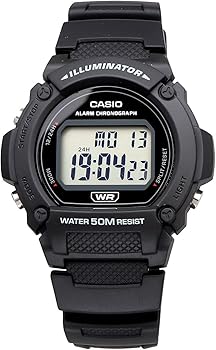
Preserving this iconic heritage is paramount for Rolex. The brand has pioneered numerous innovations, such as the first waterproof watch case (the Oyster) and the first wristwatch with an automatic date and day on the dial (the Datejust and Day-Date). However, these advancements have always been within the context of mechanical watch design. Staying out of the digital watch trend allows Rolex to maintain its unique position in the luxury sector, standing out as an iconic manufacturer of classic, timeless timepieces. This strategic decision reinforces Rolex’s exclusivity and traditional luxury appeal, ensuring it remains distinct from the mass-produced digital devices that flood the market.
The Rise of Digital Watches: Features and Innovations
While Rolex maintains its mechanical focus, the world of digital watches has undergone a fascinating evolution. From the early LED and LCD timepieces of the 1970s, which first brought digital timekeeping to the masses, to the sophisticated smartwatches of today, these devices have redefined what a watch can do. They have moved far beyond simply telling time, becoming powerful wrist-worn computers.
Modern digital watches, especially smartwatches, boast an impressive array of features and technologies:
- Advanced Displays: From vibrant OLED and AMOLED screens that offer deep blacks and vivid colors to transflective displays designed for outdoor readability, the visual experience is a key differentiator.
- Extended Battery Life: While still a consideration, advancements in power efficiency and charging technology mean many smartwatches can last for multiple days on a single charge, with some offering weeks in power-saving modes.
- Comprehensive Health Sensors: These devices have become personal health companions, tracking heart rate, blood oxygen (SpO2), performing electrocardiograms (ECG), monitoring sleep patterns, and even measuring skin temperature.
- Seamless Connectivity: Built-in GPS for precise location tracking, NFC for convenient contactless payments, cellular connectivity for calls and messages without a phone, and Bluetooth for pairing with other devices are standard features.
- Robust Operating Systems & Ecosystems: Platforms like Google’s Wear OS and Apple’s watchOS offer vast app ecosystems, allowing users to customize their watches for everything from fitness tracking and navigation to productivity and entertainment.
This constant innovation ensures that digital watches cater to a wide variety of needs, from the dedicated athlete monitoring every metric to the business professional needing discreet notifications, or the fashion-conscious individual looking for a blend of style and utility.
Navigating the Luxury Smartwatch Landscape: Alternatives for the Discerning Buyer
For those who admire the prestige of a luxury brand but also desire the advanced functionality of a digital watch, there are compelling alternatives in the luxury smartwatch market. Several esteemed watchmakers have successfully blended their horological expertise with cutting-edge technology, offering sophisticated smartwatches that cater to a high-end clientele.
Brands like TAG Heuer with its Connected series, Montblanc with the Summit collection, Hublot with the Big Bang E, and Louis Vuitton with the Tambour Horizon, have carved out niches in this hybrid space. These luxury smartwatches often feature premium materials such as titanium, ceramic, and sapphire glass, coupled with meticulous finishing that echoes their traditional mechanical counterparts. They integrate advanced digital features like GPS, heart rate monitoring, payment capabilities, and access to a wide range of apps, all while maintaining an aesthetic that speaks to luxury and craftsmanship.
When considering a luxury digital watch, several factors come into play:
- Purpose: Are you primarily looking for fitness tracking, a business companion, or a fashion statement that offers smart features?
- Ecosystem Compatibility: Ensure the smartwatch integrates seamlessly with your existing smartphone, whether it’s an iOS or Android device.
- Design and Materials: Evaluate the quality of the case, strap, and display. Premium finishes and durable materials are hallmarks of luxury.
- Battery Life: While improving, smartwatches still require more frequent charging than mechanical watches. Consider your daily usage patterns.
- Price Point: These luxury smartwatches often command prices similar to entry-level traditional luxury watches, representing a significant investment.
“Rolex Inspired” Smartwatch Faces: The Best of Both Worlds?
Given Rolex’s steadfast dedication to mechanical movements, many digital watch enthusiasts have found a way to bridge the gap between their desire for modern tech and the timeless aesthetic of a Rolex. This has led to a popular trend of customizing generic smartwatches with “Roleex-inspired” watch faces.
While Rolex does not officially provide digital watch faces, third-party applications like Facer or Clockology allow users to download and install custom designs that mimic the iconic dials of famous Rolex models. These apps provide a vast library of watch faces, enabling wearers to enjoy the visual appeal and brand association of a luxury timepiece on their functional smartwatch. This offers a “best of both worlds” scenario, where individuals can experience the convenience of smart technology while sporting an aesthetic that pays homage to one of the most revered names in horology. It transforms a functional gadget into a personal fashion statement, blending modern utility with classic design inspiration.
The Future of Timekeeping: Coexistence, Not Competition
The evolution of both traditional and digital watches points not to a competition, but rather a coexistence of different philosophies and functionalities. Traditional luxury watches, epitomized by Rolex, continue to embody artisanal skill, enduring value, and a rich history. They are statements of taste and heritage, often passed down through generations. Digital watches, on the other hand, represent the pinnacle of modern convenience, connectivity, and health monitoring, catering to a fast-paced, tech-savvy lifestyle.
It’s plausible that future innovations might bring subtle convergences, perhaps in the form of discreet hybrid watches that offer minimal smart features within a classic analog design. However, it’s unlikely that Rolex will ever dilute its core brand identity by embracing a full digital smartwatch. The brand’s strength lies in its timeless appeal and the prestige of its mechanical masterpieces, which continue to attract buyers who value tradition and craftsmanship above all else. The future of timekeeping will likely see continued innovation in both realms, allowing consumers to choose the timepiece that best suits their individual needs, values, and lifestyle.
Maintaining Your Digital Watch: Tips for Longevity and Performance
To ensure your digital watch performs optimally and lasts for as long as possible, a few maintenance tips are essential:
- Regular Software Updates: Keep your watch’s operating system and apps updated to benefit from the latest features, security patches, and performance improvements.
- Battery Care: Avoid completely draining the battery regularly. Charge it before it hits zero and try not to leave it on the charger indefinitely once full.
- Cleaning and Maintenance: Gently clean the screen and casing with a soft, lint-free cloth. For water-resistant models, rinse after exposure to salt water or chlorinated pools.
- Protection from Elements: While many are robust, avoid extreme temperatures, harsh chemicals, and prolonged direct sunlight, which can degrade components and battery life.
- Screen Protectors: Consider a screen protector or case, especially for active use, to guard against scratches and impacts.
Frequently Asked Questions
Q: Does Rolex make any digital watches?
A: No, Rolex does not produce any digital watches, including smartwatches. The brand is exclusively dedicated to manufacturing traditional, mechanical luxury timepieces.
Q: Why doesn’t Rolex embrace smartwatch technology?
A: Rolex’s brand philosophy centers on its long-standing heritage of mechanical precision, craftsmanship, and timeless design. The company chooses to maintain its unique position in the luxury sector, distinct from the rapidly evolving, tech-driven smartwatch market.
Q: What are some luxury smartwatch alternatives to Rolex?
A: For those seeking a blend of luxury and digital functionality, brands like TAG Heuer (Connected series), Montblanc (Summit collection), Hublot (Big Bang E), and Louis Vuitton (Tambour Horizon) offer high-end smartwatches.
Q: Can I get a Rolex-style face on my Apple Watch?
A: Yes, you can. While Rolex does not officially provide digital watch faces, third-party apps like Facer or Clockology allow users to download and install “Rolex-inspired” watch faces on smartwatches such as the Apple Watch.
Q: What distinguishes a luxury mechanical watch from a smartwatch?
A: A luxury mechanical watch is powered by intricate, handcrafted movements and valued for its enduring craftsmanship and heritage, often lasting generations. A smartwatch is a digital, tech-driven device offering advanced features like health tracking, notifications, and connectivity, with a typically shorter lifespan due to rapid technological advancements.
Q: Will Rolex ever release a smartwatch in the future?
A: There are no current indications or official announcements from Rolex regarding plans to enter the smartwatch market. While market conditions can change, Rolex remains committed to its traditional watchmaking principles.
Conclusion
The quest for a “Rolex digital smartwatch” often leads to a deeper understanding of what each category represents. Rolex stands as a beacon of enduring mechanical artistry, a testament to traditional craftsmanship, and a symbol of timeless luxury that deliberately shies away from the digital age. Its unwavering commitment to this legacy ensures its unique and coveted position in the world of horology. On the other hand, digital watches, particularly smartwatches, offer unparalleled connectivity, health insights, and convenience, making them indispensable tools for modern living. While the two paths diverge significantly, they both contribute to a rich and diverse landscape of timekeeping. Ultimately, the choice between a mechanical masterpiece and a digital companion reflects personal values, lifestyle, and a profound appreciation for distinct forms of innovation.