Have you ever found yourself searching for a “Rolex Digital Watch Price,” hoping to marry the iconic prestige of Rolex with cutting-edge digital technology? If so, you’re not alone in this fascinating quest. It’s a common query that stems from a natural curiosity about how a titan of traditional horology might adapt to the digital age. However, here’s the straightforward truth: Rolex does not produce digital watches or smartwatches. The brand, a bastion of mechanical excellence, has steadfastly maintained its dedication to the intricate artistry of traditional watchmaking, a legacy spanning over a century.
This article will delve into why a “Rolex digital watch” remains a captivating myth, explore the true price of owning an authentic Rolex mechanical masterpiece, and compare it with the vibrant, feature-rich world of luxury digital watches from other esteemed brands. We’ll unpack the philosophies driving these distinct segments of the watch industry, helping you understand where your preferences truly lie in the grand tapestry of timekeeping.
Rolex’s Unwavering Philosophy: A Legacy of Mechanical Mastery
Rolex stands as a monumental symbol in the world of luxury watches, renowned for its unparalleled craftsmanship, precision engineering, and enduring designs. Since its inception in 1905, Rolex has built its formidable reputation not on fleeting technological trends, but on a deep-seated commitment to mechanical watchmaking. The brand’s philosophy is rooted in creating timepieces that are not just instruments for telling time, but intricate works of art and robust machines built to last generations.
This dedication is evident in every aspect of a Rolex watch. Each component, from the smallest gear to the iconic Oyster case, is meticulously designed and often manufactured in-house. Rolex pioneered significant innovations within the realm of mechanical watches, such as the first waterproof watch case (the Oyster) and the first wristwatch with an automatic date and day display (Datejust and Day-Date models). These advancements underscore Rolex’s commitment to enhancing mechanical timekeeping rather than venturing into digital electronics. For Rolex, the art lies in the hundreds of tiny, perfectly synchronized parts working together, a testament to human ingenuity and enduring quality.
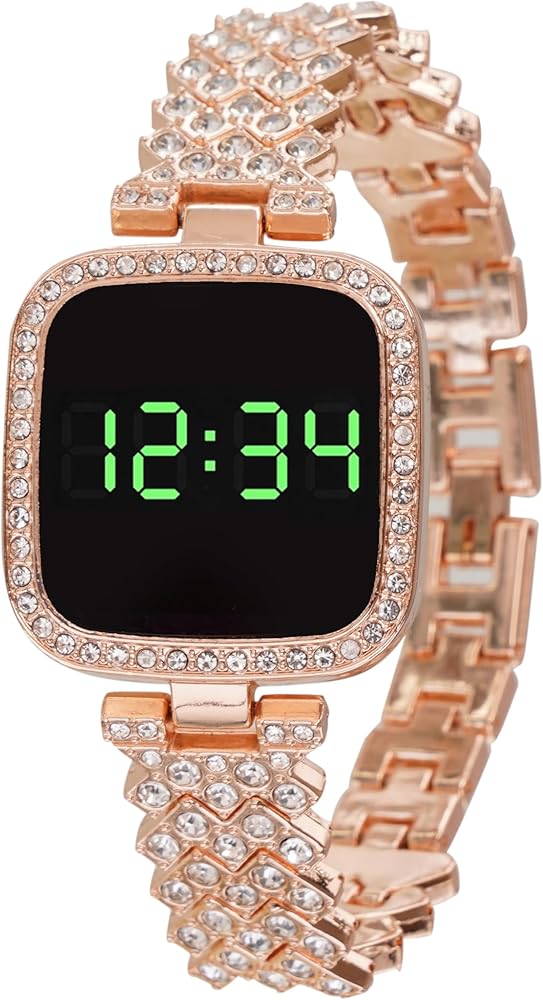
Deconstructing “Rolex Digital Watch”: A Common Misconception
The idea of a “Rolex digital watch” often conjures images of an advanced, high-tech timepiece bearing the famous crown. Yet, as established, Rolex strictly adheres to mechanical movements. The concept itself is a fascinating collision of two vastly different worlds. Any search results or discussions hinting at a digital Rolex usually refer to one of a few possibilities:
- Vintage “Jump Hour” Watches: Historically, some watchmakers, including a very early “Marconi” labeled model sometimes associated with Rolex’s early days, produced mechanical watches with a “jump hour” display. These watches didn’t have traditional hands; instead, numbers would “jump” to display the hour, minute, and sometimes second through small apertures. While visually akin to a digital readout, these were entirely mechanical, a world away from electronic digital watches. These are incredibly rare and distinct from modern digital technology.
- April Fool’s Jokes or Fakes: Occasionally, satirical news articles or concept designs may emerge, like a notable April Fool’s joke from 2015 that playfully announced a “Sub-Oyster-Tron” digital smartwatch from Rolex. These humorous pieces highlight the public’s enduring fascination with the idea, but they are not official products. Similarly, the market for counterfeit goods might sometimes feature watches with fake Rolex branding and digital displays, but these are not authentic Rolex watches.
“Rolex’s core identity is deeply intertwined with the mastery of micromechanics,” explains Dr. Elias Vance, a renowned horology historian. “Introducing digital technology would fundamentally alter their brand DNA, moving away from the handcrafted legacy that collectors cherish. It’s a choice to preserve an art form.”
Understanding Rolex Prices: The Value of True Luxury
Since there is no official “Rolex digital watch,” when we talk about Rolex prices, we are referring to their exquisite range of mechanical timepieces. These watches are investments in craftsmanship, heritage, and enduring value, often fetching prices far above their initial retail value on the secondary market.
The price of a new Rolex watch can start from around $6,400 for an entry-level Oyster Perpetual, while popular models like the Datejust begin at approximately $7,700. For more iconic sports models, such as the Submariner Date, new retail prices hover around $15,500, though secondary market prices can be significantly higher due to demand and scarcity. Premium models, like certain versions of the Daytona, can command prices well over $30,000, with rare editions exceeding $1 million.
Several factors contribute to these substantial price tags:
- Materials: Rolex uses only the finest materials, including their proprietary Oystersteel, 18k gold (white, yellow, Everose), and platinum.
- Craftsmanship: The meticulous hand-assembly, finishing, and rigorous testing of each movement and component contribute significantly to the cost.
- Brand Prestige and Exclusivity: Rolex’s legendary status and controlled production create high demand and limited supply, driving up both retail and secondary market prices.
- Investment Potential: Many Rolex models, especially rare and iconic ones, have demonstrated a remarkable ability to retain or even appreciate in value over time, making them attractive as investments.
The Digital Horizon: Luxury Smartwatches from Other Brands
While Rolex remains steadfast in its mechanical tradition, the luxury market for digital and smartwatches is a dynamic and growing segment. Brands like Apple, Samsung, Tag Heuer, Montblanc, and Garmin offer high-end smartwatches that blend sophisticated aesthetics with advanced technology.
These luxury smartwatches typically feature:
- Advanced Connectivity: Seamless integration with smartphones for notifications, calls, and messages.
- Health and Fitness Tracking: Comprehensive monitoring of heart rate, activity levels, sleep patterns, and sometimes even blood oxygen.
- GPS and Navigation: Built-in GPS for outdoor activities and navigation.
- Digital Payment Systems: Contactless payment directly from the wrist.
- Customizable Displays: High-resolution digital screens that can be personalized with various watch faces and widgets.
The prices for luxury smartwatches can range from a few hundred dollars for more mainstream premium models (e.g., Apple Watch Ultra, which costs over $700) to several thousand for high-end offerings from traditional watchmakers like Tag Heuer Connected or Montblanc Summit, which can retail for $2,000 or more. While these prices are often lower than many Rolex mechanical watches, they offer a different value proposition: prioritizing cutting-edge functionality and seamless integration with modern digital lifestyles.
Mechanical vs. Digital: A Clash of Philosophies
The debate between luxury mechanical watches and smartwatches isn’t just about features; it’s a clash of fundamental philosophies:
- Longevity and Heirloom Status vs. Planned Obsolescence: A well-maintained mechanical Rolex can last for decades, often passed down through generations, gaining sentimental and monetary value. Smartwatches, like all electronics, have a shorter lifecycle, typically becoming outdated within a few years as technology rapidly evolves.
- Craftsmanship and Artistry vs. Technology and Functionality: Mechanical watches celebrate the art of horology, with visible movements and intricate finishes. Smartwatches, conversely, prioritize utility, offering a plethora of digital functions that extend beyond mere timekeeping.
- Resale Value: Many luxury mechanical watches, especially from brands like Rolex, tend to retain or increase their value over time, acting as a tangible asset. Smartwatches, conversely, depreciate quickly, similar to other consumer electronics.
- Power Source: Mechanical watches are powered by kinetic energy (automatic) or manual winding, often running for days or even years without external power. Smartwatches require frequent charging, typically every one to two days.
The choice truly reflects a personal preference: do you value enduring artistry and a timeless legacy, or cutting-edge convenience and constant connectivity?
Choosing Your Wristwear: More Than Just Telling Time
Deciding between a traditional luxury watch like a Rolex and a high-end digital or smartwatch depends entirely on your lifestyle, priorities, and values.
- For the Aficionado of Heritage and Investment: If you appreciate intricate craftsmanship, a rich history, and the potential for a timepiece to be a lasting investment or a family heirloom, then a mechanical luxury watch from Rolex is likely your ideal choice. It’s a statement of sophistication and a connection to a timeless tradition.
- For the Tech-Savvy and Connected Individual: If seamless digital integration, health monitoring, immediate notifications, and a constantly evolving feature set are paramount, then a luxury smartwatch from brands like Apple, Tag Heuer, or Montblanc will better serve your needs. It’s about functionality that simplifies and enhances your daily life.
- Consider Your Budget and Style: While Rolex watches represent a significant financial commitment, there are many reputable mechanical luxury brands at various price points. Similarly, the smartwatch market offers diverse designs, from sporty to elegantly minimalist, catering to different aesthetic preferences.
The Future of Timekeeping: Bridging the Divide?
While Rolex has shown no indication of venturing into digital timekeeping, the broader watch industry continues to explore innovative pathways. Hybrid watches, which combine traditional analog dials with subtle smart features, represent one attempt to bridge the gap. Yet, for Rolex, maintaining its identity as the undisputed king of mechanical luxury watches seems to be the enduring strategy.
“The allure of a Rolex lies in its story, its mechanics, and its unwavering commitment to a classic ideal,” states Isabella Rossi, a prominent watch industry analyst. “It’s a heritage brand that thrives by doing one thing exceptionally well, rather than attempting to be everything to everyone.” This focus ensures that a Rolex remains an icon, while the digital realm evolves alongside it.
Frequently Asked Questions
Do Rolex make smartwatches?
No, Rolex does not make smartwatches or any electronic digital watches. The brand is exclusively dedicated to crafting high-quality mechanical watches, focusing on traditional watchmaking techniques and intricate internal movements.
What is the cheapest Rolex watch?
The Rolex Oyster Perpetual is generally considered the most accessible model in Rolex’s collection, with new retail prices starting from around $6,400. However, prices can vary based on specific configurations and market conditions.
Why are Rolex watches so expensive?
Rolex watches are expensive due to several factors, including their use of premium materials (such as proprietary alloys and precious metals), exceptional craftsmanship and precision engineering, rigorous quality control, the brand’s prestigious heritage, and high demand coupled with limited production, which often leads to increased value on the secondary market.
Do smartwatches hold their value?
Generally, smartwatches do not hold their value well. Like most consumer electronics, they tend to depreciate rapidly due to constant technological advancements and the release of newer, more powerful models. They lack the long-term investment potential often associated with traditional luxury mechanical watches.
What is the difference between a mechanical and a digital watch?
A mechanical watch is powered by a complex system of gears, springs, and balances, either wound manually or automatically by the wearer’s motion, displaying time with hands. A digital watch, conversely, uses electronic components, a battery, and a digital display (like LCD or LED) to show time and often offers various other functions.
Conclusion
The pursuit of a “Rolex digital watch price” ultimately leads us to a fascinating insight: Rolex, by design, exists in a different dimension of timekeeping. It represents the pinnacle of mechanical artistry and enduring luxury, a commitment that has defined its unparalleled legacy. While the digital watch market offers incredible innovation and convenience, the value of a Rolex lies in its timeless craftsmanship, its role as a potential investment, and its ability to connect generations. Understanding these distinctions helps us appreciate both worlds for what they offer, guiding us to choose the perfect timepiece that truly resonates with our personal values and aspirations.